Long before dyno sheets and Instagram clips, the audible signature of an aftermarket system defined its value; an IPE Exhaust still commands attention for that reason. This article cuts through marketing spin to evaluate FI Exhaust, Armytrix Exhaust, Akrapovic Exhaust, Valvetronic Exhaust, and Ryft Exhaust with a critical, evidence-focused lens. Expect clear metrics, pragmatic trade-offs, and actionable guidance rather than vague superlatives.
Performance and numbers: IPE Exhaust and measurable gains
IPE stands out for aggressive tuning of resonance and valve mappings. Measured horsepower and torque gains are modest on most platforms, typically achieved by reduced restrictive backpressure and larger bore diameters.
However, the real advantage often lies in the auditory experience rather than raw performance numbers. Consequently, buyers should balance perceived performance—throttle response and aural impact—against documented dyno results.
FI Exhaust vs Valvetronic Exhaust: Philosophy and application
FI Exhaust systems emphasize flow and simplified valving for consistent performance across RPM ranges. They are designed to reduce exhaust gas velocity losses and minimize turbulence, which can show consistent gains on both forced-induction and naturally aspirated engines.
By contrast, Valvetronic Exhaust architectures prioritize on-demand acoustics via more complex valve arrangements. This delivers a wider sound range but adds weight, complexity, and potential maintenance points. Therefore, choose Valvetronic when sound modulation outweighs simplicity.
Armytrix Exhaust and Akrapovic Exhaust: Craftsmanship versus engineering
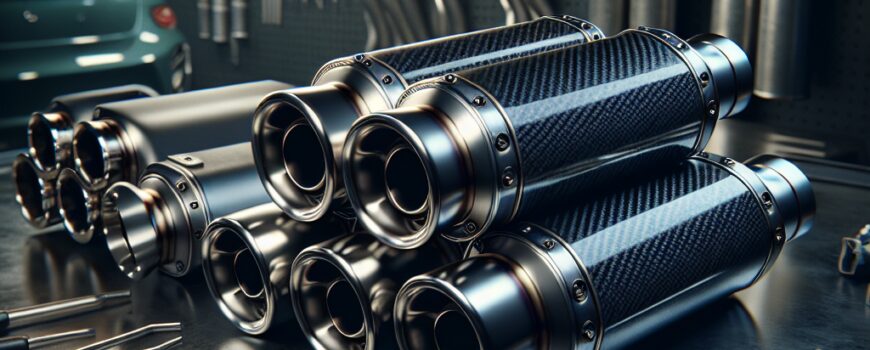
Armytrix Exhaust systems are engineered for dramatic sound with electronically actuated valves tuned for rapid transitions. The systems often pair stainless or titanium construction with aggressive tip styling to match performance cars’ visual language.
Akrapovic Exhaust takes a different tact: rigorous material science, lightweight titanium options, and a focus on measurable mass reduction and thermal behavior. The brand’s reputation is rooted in track-proven engineering rather than purely theatrical sound, which translates to consistent lap-time benefits.
Sound signature and street legality
Both manufacturers produce distinct acoustic profiles—Armytrix leans toward attention-grabbing depth, while Akrapovic aims for a refined, race-oriented tone. When comparing, evaluate local noise regulations and potential for drone during cruising. In other words, don’t prioritize peak sound figures without considering civic restrictions.
Ryft Exhaust: The pragmatic newcomer
Ryft has positioned itself as a value-driven competitor with an emphasis on plug-and-play fitment and lower cost of ownership. Materials are generally high quality but optimized for price, striking a balance between performance and affordability.
For owners seeking measurable gains without the premium associated with boutique brands, Ryft is a sensible compromise. That said, warranty coverage and aftermarket support should factor into any purchase decision.
Build materials, weight, and thermal behavior across brands
Titanium versus stainless steel remains the central material debate. Titanium, commonly used by Akrapovic and select Armytrix options, reduces mass and improves heat dissipation but increases cost. Stainless steel is durable and less expensive, commonly found in IPE, FI, Valvetronic, and Ryft systems.
Furthermore, consider flange quality, weld consistency, and internal baffle design. These details influence long-term reliability—especially important for vehicles driven hard or used on track days.
Valved systems: reliability and electronics
Valvetronic-style systems add an electronic layer that can fail independent of the pipes. The risk profile includes actuator wear, wiring issues, and controller incompatibility. Therefore, inspect service documentation and availability of replacement parts before committing to a valved system.
Practical sound management tips
To manage on-road comfort without sacrificing performance, prioritize systems with adjustable valve maps or retainers that can be tuned via the ECU. Additionally, fit periodic inspections into your maintenance schedule to detect valve sticking or actuator fatigue early.
Cost-to-benefit: what to prioritize when buying
Don’t buy an exhaust purely on brand prestige or social proof. Prioritize the following: quantifiable dyno results for your platform, weight savings if track performance matters, and realistic noise tolerance for daily driving. These factors yield a predictable return on investment.
Moreover, ask for real-world recordings and independent dyno tests rather than manufacturer claims. In this way, you reduce cognitive bias and make a purchase decision grounded in evidence.
Choosing between IPE Exhaust, FI Exhaust, Armytrix Exhaust, Akrapovic Exhaust, Valvetronic Exhaust, and Ryft Exhaust ultimately comes down to intended use: theatrical street presence, engineered track gains, or pragmatic everyday performance. Use dyno data, sound clips, and material specs to form a shortlist, then prioritize warranty and serviceability to protect your investment. With those steps, you’ll select a system that delivers both the sonic character and the measurable performance you actually need.