For most luxury and sports-car owners in the U.S., a valved performance exhaust is the single upgrade that delivers the most immediate, tangible change to how a car sounds, feels, and drives every day. In the aftermarket world, “performance throttle body” is sometimes used loosely to describe any high-flow exhaust component; the industry term is a valved (variable-valve) performance exhaust system, and that distinction matters when you’re comparing products.
- What it is: An electronically controlled exhaust system with butterfly or flap valves that open and close on demand, adjusting backpressure, flow, and sound in real time.
- Who benefits most: Daily-driven Audis, BMWs, Porsches, Ferraris, Lamborghinis, and Mercedes-AMG models where the owner wants quiet on the highway and a full-throated note when the road opens up.
- Immediate next step: Confirm your chassis code and axle-back or cat-back fitment, then contact Valvecontrolexhaust for model-specific compatibility and specialist fitting guidance.
Key Takeaways
A valved performance exhaust system gives luxury and sports-car owners on-demand sound control, reduced highway drone, and measurable high-RPM performance gains, provided fitment is confirmed by chassis code and quality actuators are specified.
| Point | Details |
|---|---|
| Confirm fitment by chassis code | Verify year, chassis code, O2 sensor positions, and diffuser clearance before ordering any system. |
| Choose configuration by use case | Axle-back suits budget and simplicity; full cat-back with downpipes maximizes sound range and performance gains. |
| Prioritize actuator quality | Stainless valves and high-MTBF electric actuators are the most reliable predictors of long service life. |
| Budget realistically | Axle-back systems start around $800 in parts; full cat-back with downpipes on exotic platforms can exceed $10,000. |
| Buy from Valvecontrolexhaust | Valvecontrolexhaust confirms fitment by chassis, offers remote valve control, and supports luxury models from Audi to Lamborghini. |
Table of Contents
- How does a performance throttle body exhaust system actually work?
- What are the real benefits for luxury and sports-car owners?
- What components and variants should you know before buying?
- Does your car actually fit a valved exhaust system?
- How do you choose the right valved system without getting burned?
- What does installation cost and how long does it take?
- How do you maintain a valved exhaust and stay legal?
- What do real owners report after fitting a valved system?
- Why Valvecontrolexhaust is the right place to buy
- The case for valved exhausts on luxury cars is stronger than most owners realize
- Sources
How does a performance throttle body exhaust system actually work?
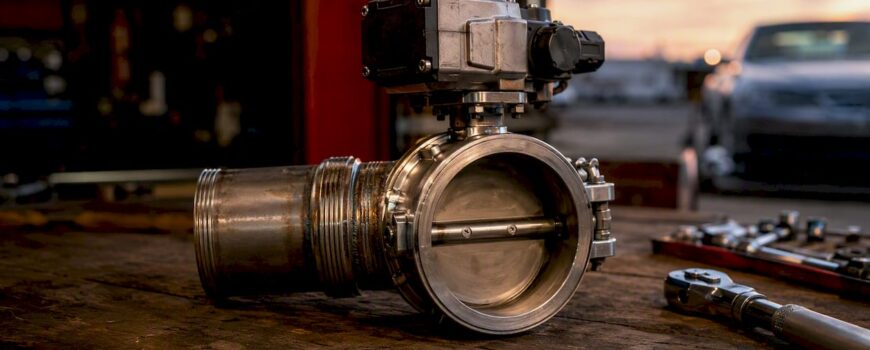
A valved performance exhaust replaces or supplements the stock muffler section with one or more electronically actuated valves, typically butterfly-style flaps, positioned in the cat-back or axle-back section of the exhaust path. Active exhaust systems use these electronically controlled flapper valves to change both loudness and flow characteristics on demand.
The physics behind it comes down to backpressure and scavenging. At low RPM and light throttle, some backpressure actually helps low-end torque by keeping exhaust pulses timed correctly. Close the valve, and the system routes gases through a baffled path, quieting the note and maintaining that useful pressure. Open the valve at high RPM, and you drop restriction, letting the engine breathe freely and extract more power where the engine needs it most.
Exhaust pulse tuning works by timing valve position relative to engine load and RPM, preserving beneficial scavenging pulses while reducing restrictive backpressure at high flow rates. Get this balance right and you gain both sound control and measurable performance.
Opening valves reduces backpressure and can improve horsepower and torque at higher RPM, while closed valves quiet the system without sacrificing drivability. The valve position is controlled by an electronic actuator receiving signals from a dedicated controller, a factory ECU output, or a smartphone app, depending on the system.
Pro Tip: For a deeper look at how pulse timing translates to real-world throttle feel, the exhaust pulse tuning explainer from Valvecontrolexhaust breaks down the mechanics clearly.
What are the real benefits for luxury and sports-car owners?
The case for a valved system on a daily-driven luxury car is straightforward: you get flexibility that a fixed system simply cannot offer.
- Adjustable sound on demand: Quiet mode for early-morning neighborhood exits; full volume for a canyon run.
- Reduced cabin drone: Closed valves on the highway cut the resonance frequencies that fatigue you on long trips.
- Improved throttle response: Less restriction at high RPM translates to a sharper, more immediate engine feel.
- Potential power gains: Reduced backpressure at high RPM can produce measurable horsepower and torque improvements, particularly on naturally aspirated engines and high-revving sports cars.
- Resale appeal: On certain luxury models, a quality valved system with clean fitment adds perceived value for the next buyer.
Valved systems let owners run quiet modes for daily driving to reduce cabin drone and louder modes for spirited driving, a flexibility that non-valved systems simply cannot match. On fuel economy: quieter valve positions improve drivability and reduce fatigue, but a guaranteed fuel saving is not something any reputable manufacturer claims, and you should be skeptical of any that do.
What components and variants should you know before buying?
Valve and actuator types
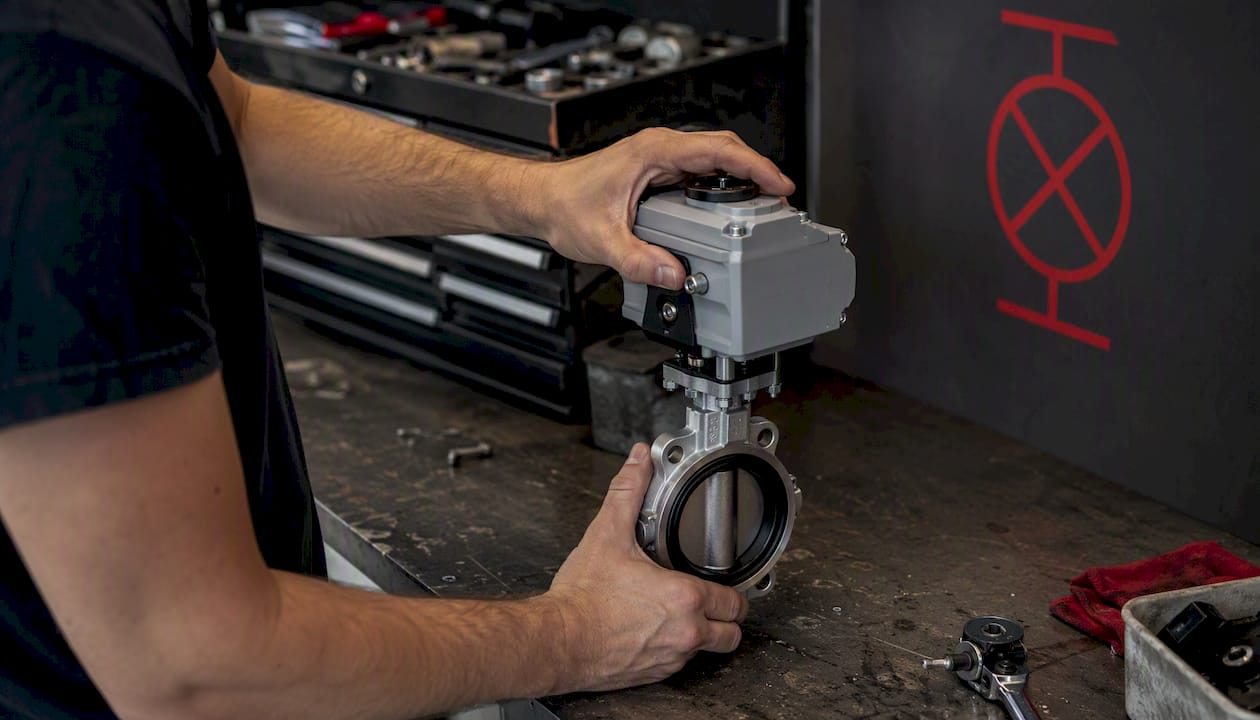
Butterfly (flap) valves are the standard. They pivot on a shaft across the exhaust pipe bore and seal reasonably well when closed. Actuators are either electric motors (more precise, faster response, easier to integrate with app controllers) or vacuum-operated (simpler, but slower and dependent on engine vacuum). Electric motor actuators dominate quality aftermarket systems.
Controllers range from a simple wired toggle switch to wireless remotes to full smartphone app integration. App-based systems let you set valve behavior by drive mode or RPM threshold, which is the most flexible option for a car you use daily.
System configurations
Valved systems come as axle-back or cat-back configurations; the choice affects sound, packaging, and legal compliance. An axle-back swap is less invasive and lower cost. A full cat-back system, sometimes paired with upgraded downpipes, produces larger performance and sound gains but requires more installation time and a closer look at emissions compliance. Understanding why a full exhaust system outperforms a partial upgrade is worth reading before you commit to one configuration.
Material comparison
| Material | Weight | Corrosion resistance | Heat durability | Typical use |
|---|---|---|---|---|
| Stainless 304 | Moderate | Good | Good | Most street/daily systems |
| Stainless 304 | Moderate | Excellent | Very good | Coastal climates, high-salt environments |
| Inconel | Light | Excellent | Outstanding | Track, high-heat applications |
Stainless 304 covers the vast majority of street builds. Inconel is reserved for track-focused or supercar applications where exhaust temperatures run extreme.
Does your car actually fit a valved exhaust system?
Fitment is where most purchase mistakes happen. Before ordering anything, confirm:
- Year and chassis code: Not just the model name. A BMW M3 G80 and an F80 have different exhaust geometries.
- Mount points: Axle-back vs. cat-back hangers differ by chassis; verify the hanger locations match.
- O2 sensor positions: Aftermarket systems must accommodate all factory oxygen sensor bungs or you will trigger check engine lights.
- Rear diffuser clearance: Many luxury cars have tight packaging around the diffuser and parking sensors; tip diameter and exit angle matter.
- Factory active exhaust: If your car already has a factory valved system, an aftermarket replacement needs to either integrate with or bypass the OEM controller.
Common fitment notes by vehicle family:
- Audi (B9/B9.5 S4, S5, RS5, RS6, RS7): Cat-back systems typically bolt on cleanly; RS models with factory sport exhaust need controller bypass or integration.
- BMW (M2, M3, M4, M5): G-series cars have tight rear packaging; confirm tip exit diameter and diffuser cutout dimensions.
- Porsche (992, 718, Cayenne GTS): OEM active exhaust integration is common; aftermarket controller usually required.
- Ferrari / Lamborghini: Model-specific fabrication for tailpipe routing and hanger locations is standard; model-specific fabrication avoids clearance and sensor issues that generic systems cause on these tight chassis.
- Mercedes-AMG (C63, E63, GT): Factory AMG Performance exhaust integration varies by generation; confirm ECU signal compatibility.
Aftermarket active exhausts often require a separate controller and may need professional integration into vehicle electronics, particularly on cars with factory drive-mode-linked exhaust behavior.
Pro Tip: Always request a fitment confirmation from the supplier before purchase, not after. A reputable seller will ask for your VIN or chassis code and confirm compatibility in writing.
How do you choose the right valved system without getting burned?
Decision checklist
- Define your primary use case. Daily driver with occasional track days? Prioritize quiet mode quality and controller ease. Dedicated weekend car? Prioritize sound range and flow.
- Choose your configuration. Axle-back for budget and simplicity; cat-back for maximum effect.
- Verify materials. Stainless 304 minimum for street use; check valve construction specifically.
- Confirm actuator specs. Ask for actuator MTBF (mean time between failures) data and whether spare parts are available.
- Check controller options. Remote, app, or OEM integration? Make sure it matches how you actually want to use the car.
- Read the warranty terms. Coverage period, what voids it, and whether the installer must be authorized.
Questions to ask before you buy
- What is the valve and actuator material?
- Is the controller included, or is it an add-on?
- Does the system require ECU tuning or just a plug-and-play controller?
- What is the warranty period and what does it cover?
- Do you offer fitment guarantees or returns if the system does not fit my chassis?
Red flags
- No stated warranty or a warranty under 12 months
- Valves described only as “metal” with no alloy specification
- No fitment data for your specific chassis code
- Controller sold separately with no integration guidance
Pro Tip: Ask specifically whether actuator replacement parts are stocked. A system with no spare actuators available in the U.S. becomes a paperweight the moment the motor fails.
What does installation cost and how long does it take?
Price ranges vary by system type and vehicle:
- Axle-back valved system: $800–$2,500 for the parts; $200–$500 labor at a specialist shop.
- Full cat-back valved system: $2,000–$6,000 for parts; $400–$900 labor depending on complexity.
- Cat-back with upgraded downpipes: $4,000–$10,000+ for parts on exotic platforms; labor varies widely.
| System type | Parts range | Typical labor hours | Specialist required? |
|---|---|---|---|
| Axle-back valved | $800–$2,500 | 2–4 hours | Recommended |
| Full cat-back valved | $2,000–$6,000 | 4 hours | Yes |
| Cat-back with downpipes | $4,000–$10,000+ | 6–12 hours | Yes |
Delivery lead times for in-stock systems run 3–10 business days domestically. Custom-fabricated or model-specific systems can take 3–6 weeks. Book your specialist installer at least two weeks out; quality performance shops fill quickly.
How do you maintain a valved exhaust and stay legal?
Maintenance schedule
- Every 6 months: Visual inspection of valve flaps, actuator wiring, and exhaust hangers for corrosion or wear.
- Annually: Actuator function test; open and close valves through full range and listen for grinding or hesitation.
- Every 2 years: Clean valve pivot points; apply high-temperature lubricant if specified by the manufacturer.
- As needed: Check O2 sensor function if a check engine light appears after installation.
Common failure signs
- Valve stuck open or closed (constant loud or constant quiet regardless of controller input)
- Actuator clicking or grinding noise under the car
- Check engine light triggered by O2 sensor interference
- Exhaust drone that was not present at installation
For exhaust diagnostic tools and troubleshooting guidance, consult your installer or the system manufacturer before assuming a fault.
U.S. legal note: Federal emissions law (EPA) prohibits removing catalytic converters on road-registered vehicles. State noise ordinances vary; California, New York, and several other states have specific decibel limits. A valved system with a proper quiet mode typically passes noise checks, but confirm with your installer for your state’s rules.
What do real owners report after fitting a valved system?
The most consistent theme across owner reports is the daily-driving transformation. Owners value the ability to reduce cabin drone on long highway trips while keeping an aggressive track mode available — a combination no fixed system can replicate.
Short outcome snapshots from reported owner experiences:
- Audi RS5 (B9): Owners report noticeably sharper throttle response and a broader sound range versus the factory sport exhaust, with quiet mode genuinely usable in residential areas.
- BMW M4 (G82): Reported improvement in high-RPM exhaust note clarity; several owners note the aftermarket system’s sound envelope exceeds the factory M exhaust option.
- Porsche 911 (992 Carrera S): Owners highlight the ability to run near-stock sound levels for track-day noise limits, then open valves for full effect on open roads.
Gains vary. A valved system alone on a stock engine produces modest measurable power changes; pair it with a cat-back, downpipe, and ECU tune and the cumulative effect is substantially larger. Manage expectations accordingly.
Why Valvecontrolexhaust is the right place to buy
Valvecontrolexhaust builds valved exhaust systems specifically for the vehicles in this guide: Audi, BMW, Porsche, Ferrari, Lamborghini, Mercedes-AMG, and more. Every system features stainless construction, electronic valve actuation, and remote or app-based control. Fitment is confirmed by chassis code before your order ships, not after. The customizable exhaust options cover axle-back and full cat-back configurations, with model-specific tip routing and diffuser clearance built into the design rather than left to chance.
Buying is straightforward: order directly through the e-commerce store, request a custom quote for exotic or less common chassis, or ask for an authorized installer referral in your area. Before you check out, confirm your chassis code with the team and ask about warranty terms. Valvecontrolexhaust backs its systems and can connect you with specialist fitters who know these platforms.
The case for valved exhausts on luxury cars is stronger than most owners realize
The conventional wisdom says a performance exhaust is about sound. That undersells it. On a daily-driven M3 or RS6, the valve system is doing something more useful: it’s letting you use the car the way it was designed to be used, without the compromise of a fixed, loud exhaust that wears on you by mile 200 of a road trip.
Valved systems suit daily-driven luxury cars precisely because of their flexibility; non-valved systems make more sense for dedicated track or weekend builds where simplicity and constant sound are the goal. If your car sees mixed use, the valved route is the only one that doesn’t force a permanent compromise. The key is buying from a supplier who confirms fitment by chassis, uses quality actuators, and backs the system with a real warranty. Everything else is secondary.
Sources
- Valved Exhaust Systems Explained: Quiet on Demand, Loud When You Want – AP Tuning
- Carparts
- Valved vs. Non-Valved: How to Choose the Best Performance Exhaust