
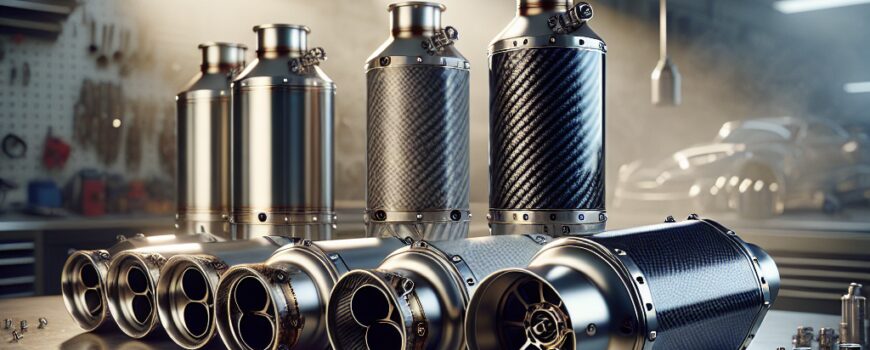
Immediate clarity: if you care about sound fidelity, build materials, and real-world usability, choosing between IPE Exhaust, FI Exhaust, Armytrix Exhaust, Akrapovic Exhaust, Valvetronic Exhaust, and Ryft Exhaust requires metric-driven trade-offs. This analysis strips marketing hyperbole and focuses on what each system actually delivers—noise character, weight, durability, and controllability—so you can decide without guesswork.
IPE Exhaust: Sound Engineering and Urban Practicality
IPE systems are best known for a theatrical exhaust note and aggressive mid-range tone. Where they score is on dramatic sound staging and valved control; where they lag is in perceived refinement and occasional cabin drone.
Technically, IPE leans toward louder calibrations and pronounced harmonics. For drivers prioritizing attention and character over subtlety, IPE provides immediate gratification. However, if low-frequency drone bothers you on highway cruises, factor that into the decision.
FI Exhaust: Tuning Potential and Performance Gains
FI Exhaust places emphasis on flow optimization and installation flexibility. Their systems often allow clear horsepower and torque gains when paired with appropriate engine mapping.
From an analytical perspective, FI’s strengths are measurable: reduced backpressure and smoother high-rpm response. That said, value depends heavily on vehicle-specific dyno results and whether accompanying ECU adjustments are applied.
Armytrix Exhaust: Valve Strategy and Real-World Use
Armytrix builds a reputation on rapid valve actuation and aggressive sound profiles. Their valvetronic setups are engineered for loud open modes and a tamer closed setting, striking a balance between street civility and track presence.
On the downside, Armytrix can sometimes prioritize spectacle over nuance. The hardware is robust, but control strategy may require firmware updates or aftermarket modules to eliminate intermittent glitches reported by owners.
Akrapovic Exhaust: Materials, Weight, and Refined Tone
Akrapovic is the reference point for material science in performance exhausts—titanium cores, optimized muffler internals, and meticulous welding. Their systems deliver weight savings and a refined sonic footprint rather than raw volume.
From a critic’s standpoint, Akrapovic is a long-term investment: premium fit, consistent performance, and minimized drone. Expect a higher price, but also predictable durability and resale value.
Valvetronic Exhaust: Technology Integration and Driver Control
Valvetronic systems emphasize intelligent valve modulation and integration with factory vehicle electronics. They often deliver the most balanced blend of quiet cruising and aggressive open-valve character.
Technically, Valvetronic’s algorithmic control reduces annoying transitional pops and optimizes valve duty cycles for longevity. For drivers who want fine-grained control over sound without custom ECU work, Valvetronic is compelling.
Ryft Exhaust: Cost Efficiency and Aftermarket Accessibility
Ryft targets the value-conscious buyer who wants aggressive looks and decent sound without premium pricing. Their systems are competitive on cost-per-decibel and offer straightforward bolt-on installs.
However, compromises appear in materials and long-term finish. Ryft is a pragmatic pick if budget and immediate impact matter more than maximal performance gains or titanium construction.
Comparative Performance Metrics and Real-World Trade-offs
When comparing these brands, three metrics matter most: acoustic signature, weight/material composition, and control sophistication. Use dyno charts and in-car audio samples rather than marketing claims to validate these metrics.
Furthermore, consider installation complexity and warranty responsiveness. Brands differ greatly in support; a marginally better sound is not worth losing weeks to fitment or warranty disputes.
Sound vs. Function: What to Prioritize
Decide whether you prioritize track gains, street civility, or auditory drama. For example, Akrapovic favors refined performance and weight savings, while IPE and Armytrix skew toward overt sound. Valvetronic and FI sit closer to the middle, offering controllability and measurable gains.
Also, account for local noise laws and emissions compliance. A brilliant-sounding system that makes your car illegal in your region is a poor investment.
Practical Buying Checklist for IPE, FI, Armytrix, Akrapovic, Valvetronic, and Ryft Exhausts
Start with vehicle-specific dyno numbers and in-cabin audio recordings. Next, assess materials—titanium, stainless steel, or hybrid—and confirm valve actuation reliability under repeated cycles.
Finally, evaluate warranty terms, dealer network, and available ECU or smartphone control options. This stepwise approach reduces regret and aligns purchase with your driving profile.
Ultimately, the right valved or performance exhaust is the one that matches your priorities: raw sound, engineered refinement, control sophistication, or value. Listen critically, verify performance claims with data, and plan for either ECU calibration or legal compliance to maximize the system’s benefits for daily driving and spirited runs.