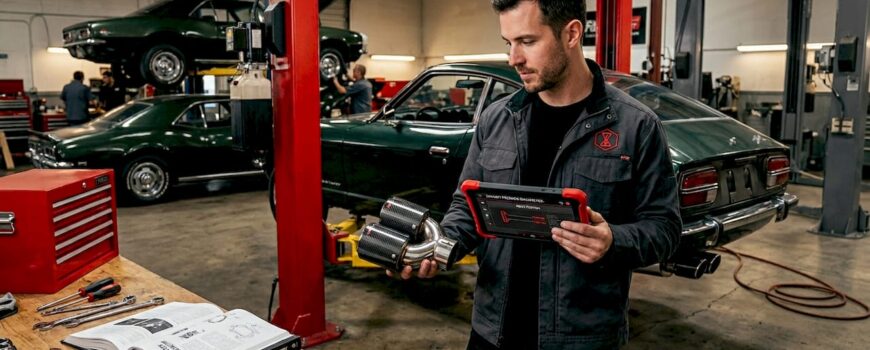
Picking the right exhaust system is harder than it looks. The performance exhaust brand comparison you need to make involves dozens of manufacturers, each promising the perfect balance of sound, power, and durability. The wrong choice costs you money, time, and sometimes a car that sounds nothing like you expected. This guide cuts through the noise by breaking down the top brands, the materials that actually matter, the sound profiles you can expect, and the installation realities most buyers discover too late.
Table of Contents
- Key takeaways
- Performance exhaust brand comparison: who leads the market
- Materials and performance factors that change the outcome
- Sound profiles and aesthetics across top brands
- Installation considerations before you buy
- My honest take on choosing a performance exhaust
- Find your perfect exhaust match with Valvecontrolexhaust
- FAQ
Key takeaways
| Point | Details |
|---|---|
| Brand specialization matters | American brands lead for muscle cars; European brands like Milltek Sport dominate turbo platforms. |
| Material drives longevity | Stainless steel and titanium outperform mild steel in humid or salty climates by a wide margin. |
| Headers unlock real power | Upgrading to headers can add 10 to 20 HP, but ECU tuning is required to avoid running lean. |
| Sound is controllable | Valved exhaust systems let you switch between quiet and aggressive modes without hardware changes. |
| Whole-system coordination pays off | Pairing headers, cat-back, intake, and ECU tuning together delivers far better results than upgrading one part alone. |
Performance exhaust brand comparison: who leads the market
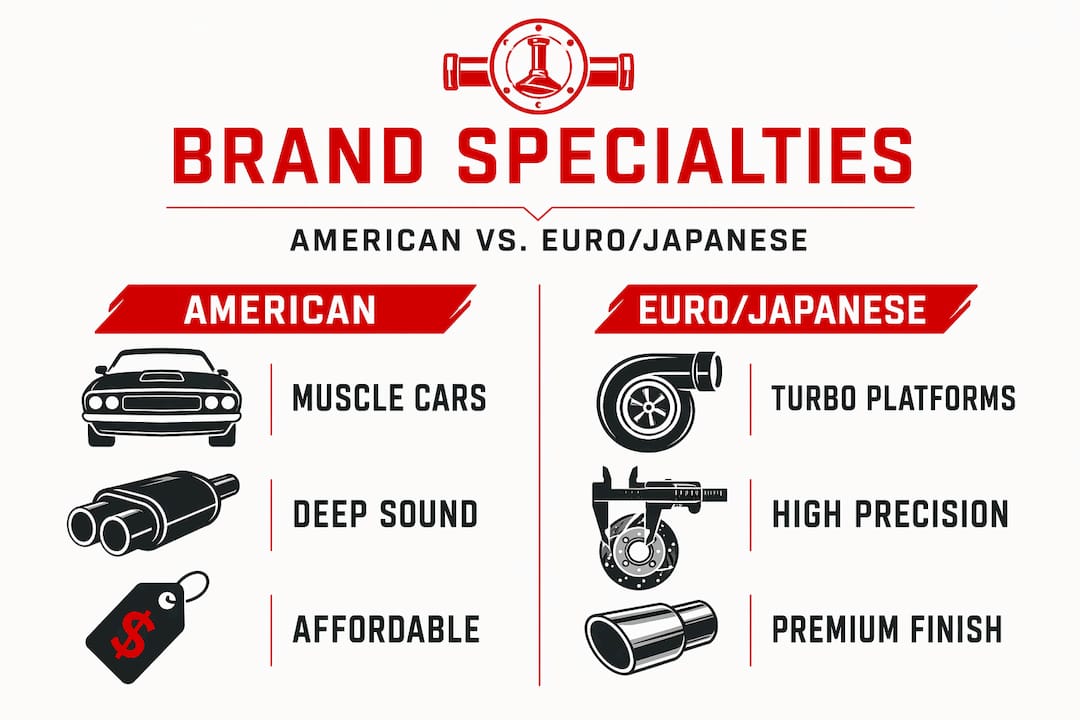
Understanding where each brand came from tells you a lot about where it excels today. The market divides roughly into American powerhouses, European specialists, and Japanese precision brands, with a growing tier of value-focused options that punch above their price.
American brands
MagnaFlow built its reputation on stainless steel cat-back systems with a cleaner, more refined sound than most competitors. It targets a wide range of vehicles from daily drivers to track cars, which makes it one of the most versatile options in the top exhaust systems comparison. Borla goes further on the premium end. Borla systems use T-304 stainless steel with a million-mile warranty and a straight-through muffler design that reduces drone while keeping an aggressive tone. That warranty alone separates Borla from most competitors. Flowmaster took a different path entirely. Flowmaster pioneered chambered muffler technology, producing the iconic deep muscle car sound that V8 owners have chased for decades. Its multiple sound series let buyers dial in exactly how loud they want to go.
European and Japanese brands
Milltek Sport dominates European turbo platforms, particularly for Volkswagen, Audi, and BMW applications. Premium stainless steel cat-back systems from Milltek range in price depending on vehicle and complexity, and the brand’s fitment precision for European cars is hard to match. Akrapovič sits at the top of the prestige tier, favored by supercar manufacturers and track-day enthusiasts who want titanium construction and measurable performance gains. HKS and Fujitsubo serve the Japanese performance market with systems tuned specifically for high-revving engines found in vehicles like the Subaru WRX and Nissan GT-R.
Value and emerging brands
Scorpion Exhausts and Jetex offer genuine stainless steel construction at lower price points, making them relevant for enthusiasts working with tighter budgets. Neither brand matches the heritage of Borla or Akrapovič, but both deliver solid build quality for street-driven cars.
| Brand | Specialty | Price Range | Sound Profile |
|---|---|---|---|
| Borla | North American muscle and sports cars | $1,200 to $2,500 | Aggressive but refined |
| MagnaFlow | Wide vehicle range | $400 to $1,500 | Clean, moderate tone |
| Flowmaster | V8 muscle cars | $500 to $1,200 | Deep, chambered rumble |
| Milltek Sport | European turbo platforms | $800 to $2,000 | Refined, sport tone |
| Akrapovič | Supercars and track vehicles | $1,500 to $5,000+ | Exotic, high-pitched |
| HKS | Japanese performance cars | $600 to $1,800 | Sharp, high-revving |
Materials and performance factors that change the outcome
The brand name on the tip matters less than what the pipe is made of and how it was shaped. This is where best performance exhaust brands separate themselves from budget imitators.
Stainless steel vs. mild steel vs. titanium
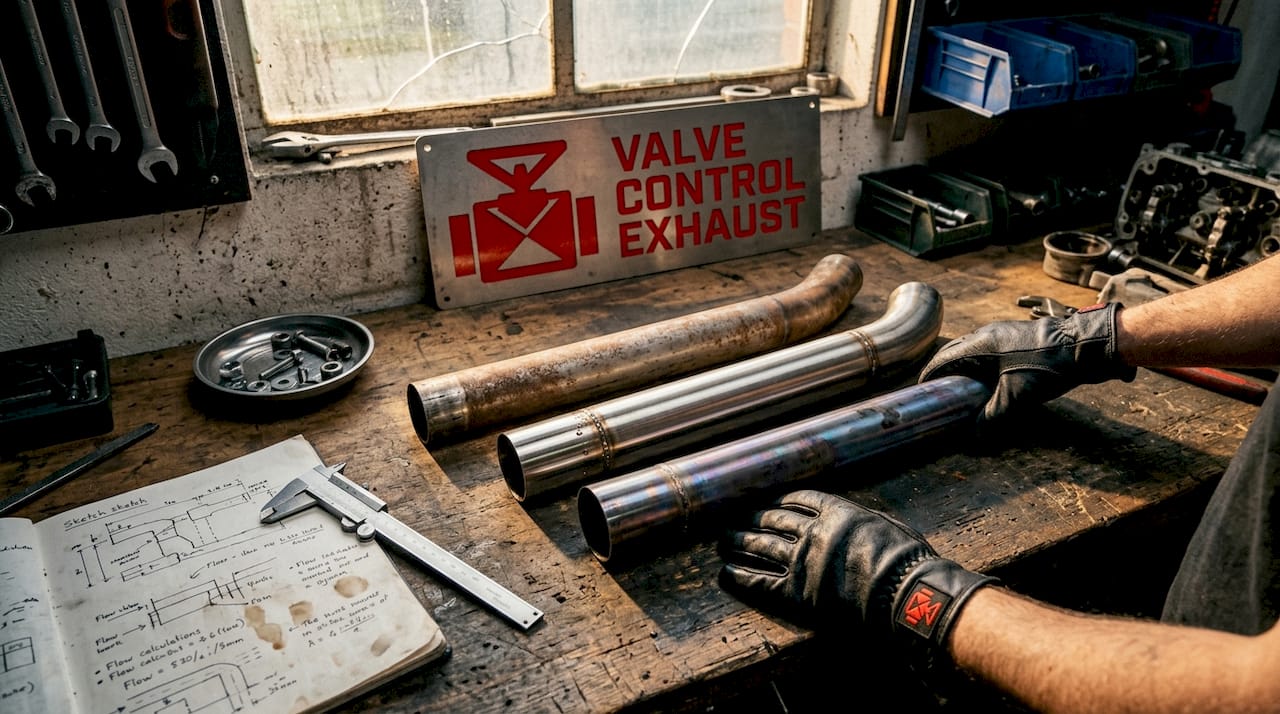
Stainless steel is the baseline for any serious performance exhaust. It resists corrosion, handles heat cycling well, and lasts decades with minimal maintenance. Mild steel costs less upfront but degrades quickly in wet or salty conditions. Mild steel headers without high-temp coatings oxidize rapidly in humid environments, making the initial savings disappear within a few years. Titanium is the premium option. It is lighter than stainless steel and handles extreme heat better, which is why Akrapovič uses it on systems for Ferrari and Lamborghini builds. The weight reduction is real, though the cost premium is significant.
Mandrel bending and pipe design
How a pipe is bent matters as much as what it is made of. Mandrel-bent piping maintains exhaust pipe diameter through every curve, which keeps exhaust gas flowing without restriction. Crush-bent pipes narrow at the bend point, creating turbulence that costs you power and reduces system longevity. Every brand worth considering uses mandrel bending. If a budget system does not specify this, assume it uses crush bending.
Headers vs. manifolds
This is the upgrade that most enthusiasts underestimate. Headers can boost horsepower by 10 to 20 HP by improving exhaust scavenging and reducing backpressure. Stock manifolds are thick, restrictive, and designed for cost and emissions compliance rather than performance. Long tube headers deliver better high-RPM power gains but require more complex installation and often need O2 sensor extensions. Shorty headers are easier to fit and work well for daily drivers who want modest gains without the full installation commitment.
Pro Tip: Pair any header upgrade with ECU tuning. Industry professionals consistently recommend ECU recalibration after header installation to prevent lean-running conditions that can damage your engine over time.
Sound profiles and aesthetics across top brands
Sound is personal. What one driver calls aggressive, another calls obnoxious. Understanding how different brands shape their sound helps you avoid an expensive mistake.
Here is how the major brands break down by sound character:
- Borla ATAK series: Maximum aggression with a raspy, high-frequency note. Built for drivers who want the car heard before it is seen.
- Borla S-Type: One step down from ATAK. Still assertive but more livable on long highway drives.
- Flowmaster Super 44: The classic American muscle tone. Deep, chambered, and unmistakably V8. Headers produce louder and more aggressive sound than stock manifolds, and pairing Flowmaster with long tube headers amplifies this character significantly.
- MagnaFlow Competition series: A broader, fuller tone without the sharp edge of Borla. Works well on both domestic and import platforms.
- Milltek Sport resonated: Sporty without being antisocial. The resonated version reduces drone on highway runs while keeping a satisfying note under acceleration.
- Akrapovič Evolution: A high-pitched, almost mechanical scream at high RPM. Sounds like a race car because it is built like one.
Valved exhaust technology and sound control
This is where the game changes for enthusiasts who want flexibility. Valved systems use electronically controlled flaps inside the exhaust to open or close the gas path, which directly changes the sound level and character in real time. You get a quiet mode for early morning starts or residential streets and a full-open mode for track days or canyon runs. Sound and aesthetics motivate upgrades as much as raw power gains for most enthusiasts, which is exactly why valved technology has grown from a supercar exclusive to a mainstream option.
Pro Tip: If you drive in an area with noise ordinances or HOA restrictions, a valved system is worth the extra cost. You get the full performance exhaust experience without the daily-use penalties.
The visual side matters too. Borla and Akrapovič both offer polished and brushed finishes on their tips. Milltek provides oval and round tip options. Tip diameter and shape change the visual presence of the rear end significantly, so match the tip style to your car’s overall aesthetic before ordering.
Installation considerations before you buy
Buying the wrong system for your car is a more common mistake than most enthusiasts admit. Here is what to check before you commit.
- Confirm exact fitment by year, trim, and engine code. A system listed for a BMW 3 Series might fit the 320i but not the 330i due to different pipe routing. Always verify using the manufacturer’s fitment tool or call their tech line directly.
- Assess your installation skill level honestly. Bolt-on cat-back systems are genuinely straightforward for anyone with basic tools and a lift. Header swaps on turbocharged engines in tight engine bays are a different story entirely and often require professional installation.
- Budget for supporting modifications. Headers typically require ECU tuning to avoid lean conditions, and some setups need new O2 sensor bungs or extended sensor wiring. Factor these costs in before you buy.
- Check warranty terms carefully. Borla’s million-mile warranty is transferable and covers defects in materials and workmanship. Many budget brands offer 12 to 24 months and exclude labor. Read the fine print before assuming coverage.
- Research drone characteristics for your specific setup. A system that sounds perfect in a short YouTube clip can produce an unbearable 70 mph drone in real-world highway driving. Look for owner forums specific to your car model and the system you are considering.
Performance gains compound best when headers, cat-back systems, intake, and ECU tuning are coordinated rather than treating each component as an isolated upgrade. Plan your build as a system, not a series of individual purchases.
My honest take on choosing a performance exhaust
I have watched enthusiasts spend $2,000 on a brand-name exhaust and end up disappointed because they bought based on brand reputation alone rather than matching the system to their actual driving habits. A Flowmaster Super 44 sounds incredible on a V8 Mustang at a car show. That same system on a daily commute at 75 mph will have you reaching for earplugs within a week.
The brands I see deliver consistent satisfaction are the ones that give buyers real choices within their lineup. Borla’s tiered sound series is a good example. You pick the character you want, not just the brand. Milltek’s resonated versus non-resonated options serve the same purpose for European car owners.
What I find genuinely underappreciated in most performance muffler reviews is the value of valved exhaust technology for street-driven performance cars. The ability to run quiet in the morning and open up on a back road is not a gimmick. It is a practical solution to a real problem. Brands like Valvecontrolexhaust have built their entire product line around this concept, and the valved exhaust comparison data they publish shows measurable differences in both sound levels and throttle response across driving modes.
My recommended approach: decide on your primary use case first. Track car, weekend driver, or daily driver. Then pick the material tier your budget supports. Then choose the brand that fits that combination. Sound preference comes last, because you can always adjust with resonators, but you cannot un-buy a system that rusts in two years.
— Info
Find your perfect exhaust match with Valvecontrolexhaust
If this performance exhaust brand comparison has helped you narrow down your priorities, the next step is getting into the specifics of the brands that matter most for high-performance vehicles. Valvecontrolexhaust has done the detailed work for you.
Their sound and performance audit covers IPE, FI Exhaust, Armytrix, Akrapovic, Valvetronic, and Ryft with real-world testing data on sound levels, throttle response, and build quality. For Audi, BMW, Ferrari, and Lamborghini owners specifically, this level of detail is exactly what separates a confident purchase from a costly guess. Their exhaust buyer’s guide also walks you through compatibility, valve control options, and tuning requirements for each brand. If you want to stop second-guessing and start driving, this is where to go next.
FAQ
Which exhaust brand is best for European performance cars?
Milltek Sport leads for European turbo platforms, particularly Volkswagen and Audi. Akrapovič is the top choice for supercar-level builds where weight and peak performance matter most.
Do headers really add horsepower?
Yes. Headers can add 10 to 20 HP by reducing backpressure and improving exhaust scavenging, but ECU tuning is required afterward to prevent lean-running conditions.
What is a valved exhaust system?
A valved exhaust uses electronically controlled flaps to open or close the exhaust path, letting you switch between quiet and aggressive sound modes in real time from inside the car.
Is stainless steel worth the extra cost over mild steel?
For any car driven in wet, salty, or humid conditions, yes. Mild steel without protective coatings oxidizes quickly, making the initial savings disappear within a few years of use.
How do I avoid exhaust drone on highway drives?
Choose a resonated system or add a resonator to your setup. Also check owner forums for your specific car and system combination before buying, since drone behavior varies significantly by vehicle platform.
Recommended
- Performance Exhaust Buyer’s Guide: IPE, FI, Armytrix, Akrapovic, Valvetronic & Ryft – Valve Control Exhaust
- Technical Appraisal: Choosing Between IPE, FI, Armytrix, Akrapovic, Valvetronic and Ryft Exhausts – Valve Control Exhaust
- Evaluating IPE, FI, Armytrix, Akrapovic, Valvetronic and Ryft Exhausts: A Critical Comparison – Valve Control Exhaust