
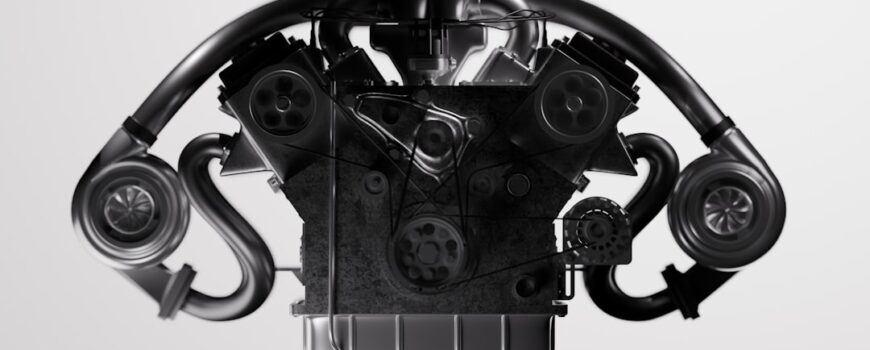
How much of a car’s character comes from its exhaust note and how much comes from measurable gains? An IPE Exhaust often defines that difference, delivering a calibrated sound and performance that enthusiasts cite first. This analysis evaluates leading valved and performance exhausts to separate marketing from measurable improvement and to guide a technically minded buyer.
IPE Exhaust and FI Exhaust: Comparative Performance
I begin with direct metrics because sound alone can mislead. IPE Exhaust systems are frequently lauded for aggressive midrange tone and maintained torque across the rev band. Conversely, FI Exhaust offerings emphasize modularity and ease of integration for turbocharged platforms, often at a lower price point.
Furthermore, weight, flow characteristics, and backpressure reduction matter more than volume when assessing real-world gains. Flow bench and dyno tests repeatedly show that well engineered piping geometry and mandrel bends produce consistent horsepower increases while preserving drivability.
Armytrix Exhaust Versus Akrapovic Exhaust: Sound and Materials
Armytrix Exhaust is synonymous with dramatic valvetronic sound changes and aggressive drone in certain rpm ranges. Its electronically actuated valves give drivers immediate tonal control, which is excellent for show cars and track days.
On the other hand, Akrapovic Exhaust focuses on lightweight construction and precise acoustic tuning. Titanium and Inconel variants from Akrapovic reduce mass significantly and refine the harmonic structure for a more sophisticated, resolved note.
Materials and Durability
Material choice is not aesthetic alone. Titanium offers weight savings and heat resistance but can be more brittle in certain designs. Stainless steel provides longevity and affordability but at the cost of additional mass. Consequently, material selection should align with intended use, whether daily driving, spirited road use, or track competition.
Valvetronic Exhaust Systems: Control Versus Complexity
Valvetronic Exhaust systems, including those from brands like Armytrix and aftermarket manufacturers, deliver variable acoustics. They allow drivers to toggle between restrained and aggressive modes, making them versatile for multi-role vehicles.
However, this complexity introduces potential failure points. Vacuum lines, servos, and electronic actuators increase service requirements. Therefore, when choosing valved systems, consider warranty coverage and the availability of replacement components.
Ryft Exhaust and the Boutique Market Position
Ryft Exhaust represents a newer wave of boutique manufacturers that prioritize bespoke fitment and distinct acoustic signatures. Typically, Ryft systems are hand-finished, with tailored muffler packing and custom tips aimed at niche customers.
Nevertheless, boutique brands can vary in QA consistency. When evaluating a Ryft Exhaust, insist on independent dyno data and look for corroborating reviews from owners with similar powertrains to avoid buyer’s remorse.
FI Exhaust and Aftermarket Integration Considerations
FI Exhaust products often aim for plug and play installation with minimal ECU recalibration. They can be an optimal choice for owners seeking straightforward upgrades without retuning. That said, some platforms benefit significantly from map adjustments to optimize fueling and ignition timing post-installation.
Therefore, assess whether the installation will necessitate tuning to unlock the claimed gains. If so, budget for a professional calibration to preserve engine safety and to realize peak performance.
Noise, Regulations, and Real-World Use
Across all brands, noise levels and local regulations should factor heavily into a purchase decision. Loud systems can prompt fines or failed inspections in many jurisdictions. Moreover, excessive cabin drone degrades daily usability, even if the system performs well on paper.
Consequently, examine produced sound clips, real owner feedback, and policy compliance before committing to a model. A well chosen system balances legal compliance, usable sound, and measurable performance benefits.
Practical Buying Guide for IPE Exhaust, Armytrix, Akrapovic, Valvetronic, and Ryft Exhaust
Start by defining priorities: aggressive sound, weight savings, modular control, or budget constraints. Next, demand empirical evidence such as dyno charts, quoted flow rates, and materials specs. Finally, factor in installation complexity, warranty terms, and aftermarket support.
As a final recommendation, test drive vehicles equipped with the exact exhaust option you are considering. Hearing and feeling the system in a comparable car delivers irreplaceable perspective and prevents decisions based solely on promotional media.
Choosing between IPE Exhaust, FI Exhaust, Armytrix Exhaust, Akrapovic Exhaust, Valvetronic Exhaust, and Ryft Exhaust comes down to an explicit trade off among sound control, durability, and measurable performance. Prioritize data, validate claims with independent tests, and align the chosen system with everyday use to ensure the upgrade adds both sonic character and quantifiable value to the vehicle.