
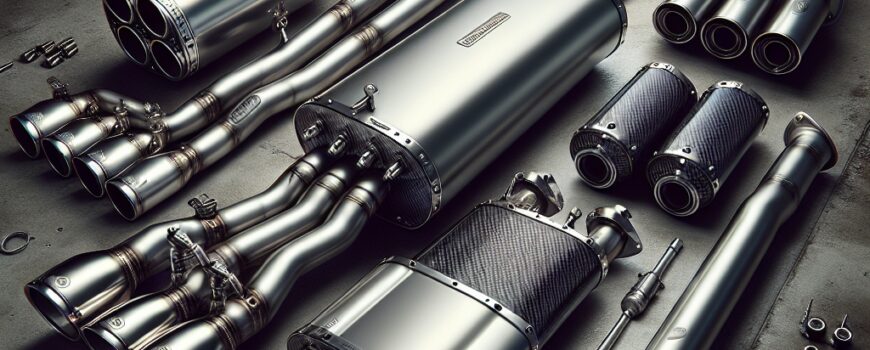
The choice of an IPE Exhaust often sets the tone for an entire build: aggressive sound, modular valving, and visual drama. This analysis cuts through marketing language to evaluate IPE, FI, Armytrix, Akrapovic, Valvetronic and Ryft exhausts on tangible metrics—sound profile, materials, weight, fitment, and real-world driveability.
IPE Exhaust: Sound Character, Materials, and Driveability
IPE exhaust systems are known for their theatrical midrange and deep burble at idle. Measured objectively, they provide pronounced harmonic content that can mask engine refinement while delivering that sought-after presence in traffic.
Materials and manufacturing are generally high quality—stainless or titanium options exist—yet the trade-off is occasional drone at cruising speeds. For drivers prioritizing auditory impact over stealthy daily use, the IPE Exhaust is a strong, unapologetic choice.
FI Exhaust: Flow Dynamics and Tuning Implications
FI exhausts focus on straight-through flow and minimal backpressure, which translates into modest horsepower and torque improvements when paired with proper ECU tuning. From a thermodynamics perspective, reduced restriction benefits turbo spool and transient response.
However, in practice, gains depend heavily on vehicle calibration and upstream restrictions. Consequently, FI Exhaust systems are best for builds where tuning resources are available to exploit the exhaust’s aerodynamic advantages.
Armytrix Exhaust: Valvetronic Mechanics and Usability
Armytrix markets valved exhausts that emphasize user control—remote actuation and integration with factory electronics. The valvetronic mechanism provides a wide tonal palette, from subdued to race-like levels, making it versatile across driving contexts.
Nevertheless, added complexity introduces failure modes: actuator wear, wiring issues, and occasional fitment tweaks. For owners who value on-demand variance in sound and can manage potential maintenance, Armytrix offers a compelling balance of convenience and aggression.
Akrapovic Exhaust: Weight Savings, Resonance, and Craftsmanship
Akrapovic stands apart for its engineering focus: lightweight titanium construction, precise welds, and acoustic tuning that emphasizes refinement. The brand typically delivers better power-to-weight ratios and a more polished growl compared to louder competitors.
That said, Akrapovic’s tonal profile is less theatrical and more performance-oriented, appealing to enthusiasts who prioritize lap times and build quality over maximum decibel readings. Moreover, the premium cost is often justified by durability and resale value.
Valvetronic Exhaust: Electronics Integration and Modulation
Valvetronic systems emphasize electronic modulation of exhaust valves for optimized sound and flow. Integration capability with factory CAN buses and smartphone control is a clear advantage for modern cars.
On the flip side, the reliance on electronics means firmware updates and compatibility checks are necessary. Therefore, Valvetronic Exhausts suit owners comfortable with periodic software maintenance and who want granular control over exhaust behavior.
Ryft Exhaust: Cost Efficiency, Installation, and Sound
Ryft positions itself as a value-driven alternative with simplified valving and competitive price points. The brand aims to deliver a satisfying exhaust note without the premium materials or boutique engineering costs.
Installation is typically straightforward, and the sound signature is livelier than stock but less exotic than titanium setups. For budget-conscious builders seeking an accessible upgrade, Ryft Exhausts represent a rational compromise between price and performance.
Comparative Notes: Performance Gains, Drone, and Real-World Use
Across these brands, expect variable trade-offs between sound, weight, and drivability. For instance, aggressive valved systems like IPE and Armytrix deliver more emotion but can introduce cabin drone, whereas Akrapovic and high-end FI setups favor efficiency and reduced resonance.
Moreover, horsepower figures published by vendors rarely mirror on-road results without tuning. Therefore, empirical testing—dyno runs and real-world logging—remains essential for validating claimed gains.
Decision Framework: Choose Based on Priorities
To make a pragmatic selection, rank your priorities: sound drama, lap-time gains, weight reduction, or budget. If auditory presence tops the list, IPE or Armytrix should be evaluated first. Conversely, if lightweight construction and refinement matter more, Akrapovic is the logical option.
Additionally, consider serviceability and warranty. Electrically complex systems (Valvetronic, Armytrix) require a support network and occasional software attention, while simpler FI or Ryft systems are easier to maintain.
Actionable Steps Before Purchase
First, test audio samples and, where possible, hear the system on the same vehicle platform. Second, verify fitment and check for required ECU tuning or emissions compliance in your region. Third, factor in long-term costs: replacements, actuator repairs, and potential re-tuning.
Finally, consult independent dyno data and owner forums for real-world feedback rather than relying solely on manufacturer claims. These steps will minimize buyer’s remorse and align the chosen exhaust with your driving profile.
In short, selecting between IPE Exhaust, FI Exhaust, Armytrix Exhaust, Akrapovic Exhaust, Valvetronic Exhaust and Ryft Exhaust boils down to a prioritized list of needs—sound, weight, complexity, and budget. Use the decision framework and pre-purchase checks outlined above to match a system to your vehicle and driving habits, ensuring the chosen exhaust delivers measurable benefits rather than just impressive marketing copy.