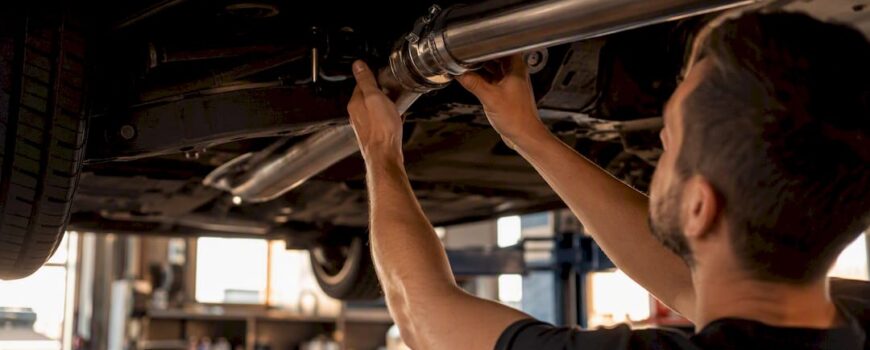
A cat-back exhaust is every component running from the catalytic converter’s outlet to the tailpipe: mid-pipe, resonator, muffler, and tips. The catalytic converter itself stays untouched, so the emissions hardware remains in place while you get a louder, freer-flowing exhaust. Expect a noticeable tone change and some improvement in horsepower, though not a dramatic one.
TL;DR:
- Oversized piping without proper matching components can decrease low-end torque, especially on naturally aspirated engines, despite potential power gains.
- Noise laws vary by state, and deleting mufflers or resonators can violate regulations even if emissions hardware remains intact.
- Valved systems provide drivers with switchable sound modes, offering both quietness and aggressive tones tailored to driving needs.
- Installation costs typically range from $150 to $400, depending on vehicle complexity and required fabrication or modifications.
- Material choice matters: stainless steel resists corrosion longer, while aluminumized steel is cheaper but more prone to rust, especially in road-salt areas.
Table of Contents
- What’s Included in a Cat-Back Exhaust System
- Cat-Back vs. Axle-Back vs. Turbo-Back vs. Straight-Pipe
- What You Gain (and Give Up) With a Cat-Back
- Is a Cat-Back Exhaust Legal? Emissions and Noise Rules
- How Much Does Cat-Back Exhaust Installation Cost?
- How to Choose the Right Cat-Back Exhaust for Your Car
- Why a Valved Cat-Back Is the Smarter Compromise
- Get a Valved Cat-Back Built for Your Exact Car
- Sources
What’s Included in a Cat-Back Exhaust System
The name tells you exactly where the parts live. It runs from the “cat” back to the tailpipe, covering three or four distinct pieces depending on the vehicle.
- Mid-pipe: connects the catalytic converter to the muffler; may split into dual pipes and should be mandrel-bent rather than crimped, since crimped bends choke flow at every turn.
- Resonator: a smaller chamber that cancels out specific frequencies before the sound reaches the muffler; not every kit has one.
- Muffler: the biggest factor in tone. Chambered mufflers deliver a deep growl, straight-through (glasspack) designs sound raspier and flow better, and turbo-style mufflers aim for a quiet, understated hum.
- Tailpipe and tips: stainless steel resists rust better than aluminized steel, and tip finishes (black chrome, burnt titanium, brushed) are purely cosmetic.
- Optional add-ons: muffler deletes, resonator deletes, and valved sections that let you switch tone on demand.
Some higher-end kits fold electronic valves into the mid-pipe or muffler assembly, which changes how the rest of this guide applies to you.
Cat-Back vs. Axle-Back vs. Turbo-Back vs. Straight-Pipe
Exhaust upgrades get grouped by how much of the system they replace, and that scope determines both cost and what you’ll actually feel behind the wheel.
- Axle-back: replaces only the section behind the rear axle, usually just the muffler and tips. Cheapest option, easiest install, and it changes sound and looks far more than performance.
- Cat-back: swaps everything from the converter outlet back, adding the mid-pipe and resonator into the mix. This is where flow gains start showing up alongside the sound change.
- Turbo-back (full system): replaces everything from the turbo or exhaust manifold to the tailpipe, including the downpipe and catalytic section. Necessary if you’re chasing real power gains on a turbocharged engine.
- Straight-pipe: removes mufflers, resonators, and sometimes catalytic converters entirely. Loudest, cheapest to fabricate, and often illegal.
Pick based on your actual goal: sound only means axle-back, sound plus flow means cat-back, and serious turbo work means going full system.
What You Gain (and Give Up) With a Cat-Back
Bigger, mandrel-bent pipes and higher-flow mufflers cut backpressure, and that improved scavenging is where the modest horsepower and torque gains come from. Don’t expect huge numbers on a naturally aspirated engine. Turbocharged cars tend to respond better since spent gases need to clear the turbine housing faster.
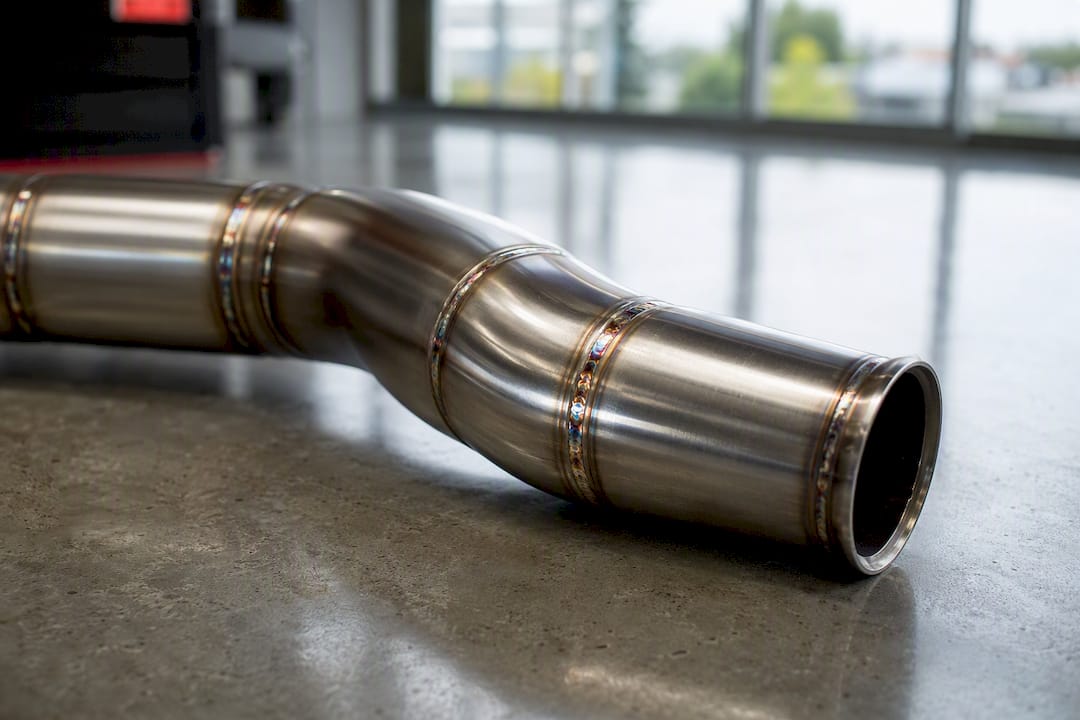
Statistic Callout: A cat-back focused on matched diameter and mandrel-bent piping tends to produce more consistent, repeatable gains than simply upsizing pipe diameter across the board — oversized piping without the right muffler and resonator setup can actually cost you low-end torque.
Sound is the part everyone notices first, and it comes down to muffler design, pipe diameter, and whether a resonator is in the mix. Drone (a droning cabin resonance at highway cruising speeds) is different from tone (the actual character of the exhaust note), and a poorly matched muffler can nail one while ruining the other.
- Fuel economy and curb weight shifts are usually small and depend heavily on the vehicle.
- Cabin drone at highway RPM is the most common complaint from cat-back buyers.
- Some manufacturers treat modified exhaust systems as grounds to deny warranty claims on related components.
- Resale buyers are split: some enthusiasts pay a premium for a known-good system, others want stock parts reinstalled before sale.
Is a Cat-Back Exhaust Legal? Emissions and Noise Rules
Since a cat-back leaves the catalytic converter in place, it typically stays emissions-compliant straight out of the box. That’s the biggest reason it’s the most popular exhaust upgrade among owners who still need to pass inspection.
Where things get complicated is noise, not emissions. Muffler deletes and straight-pipe setups run afoul of state noise laws in plenty of jurisdictions, even when the catalytic converter itself is untouched.
- Confirm your state’s decibel limit before removing a muffler or resonator; some states measure at idle, others at a set RPM.
- Keep O2 sensors and catalytic converter hardware fully intact to avoid triggering check-engine lights during smog checks.
- States with strict smog programs (California among them) inspect for tampering, not just noise.
- When you’re unsure, call your local DMV or inspection station before you buy, not after.
How Much Does Cat-Back Exhaust Installation Cost?
Most cat-back kits are bolt-on affairs designed for the specific make and model, which keeps labor time down to one to three hours at a typical shop. Custom fabrication, welded joints, or a fitment that doesn’t quite match your chassis can push that toward a full day.
Parts alone run anywhere from a few hundred dollars for an entry-level stainless kit to well over $2,000 for a premium valved system with electronic controllers. Installed pricing typically adds $150 to $400 in labor, more if the shop has to modify hangers or brackets to make everything line up.
- A straightforward stainless cat-back rarely needs an ECU tune or reflash, since it doesn’t change fueling.
- Valved systems with electronic controllers sometimes need a companion app or module setup, which a few installers charge extra for.
- Ask any shop for a written estimate that separates parts, labor, and any fabrication contingency before you commit.
- Get the exact system name and part number confirmed against your VIN before ordering, especially for dual-exhaust or AWD variants.
How to Choose the Right Cat-Back Exhaust for Your Car
Start with what you actually want, because sound, power, and looks pull you toward different builds. A daily driver wants quiet cruising with an aggressive note under throttle; a track car wants unrestricted flow and doesn’t care about drone.
- Material: stainless steel resists corrosion for the life of the car; aluminized steel costs less upfront but rusts through in five to eight years in road-salt states.
- Pipe diameter: match it to your engine’s actual flow needs. Going oversized on a smaller engine bleeds off exhaust velocity and hurts low-end torque, even though it looks impressive on paper.
- Muffler style: chambered for a deep, aggressive growl; straight-through for the most flow and the rowdiest note; turbo-style for something closer to stock quiet.
- Valved/electronic systems: these add a genuine trade-off solver, letting you run whisper-quiet on a morning commute and switch to a full, unrestricted note at the push of a button. They’re increasingly common on luxury and performance platforms where owners want both civility and drama from the same car.
Pro Tip: Don’t buy the loudest muffler you can find and assume you’ll adjust to the drone. Ask the seller specifically about highway cruising noise, not just idle or revved sound clips, since that’s where most buyers regret their choice.
Valve Control Exhaust builds valved cat-back systems for Audi, BMW, Porsche, Ferrari, Lamborghini, and Mercedes-AMG platforms specifically because these owners want both discretion and theater from the same exhaust. Owners report meaningfully sharper sound customization and engine response once the valves are dialed in for their driving style.
Why a Valved Cat-Back Is the Smarter Compromise
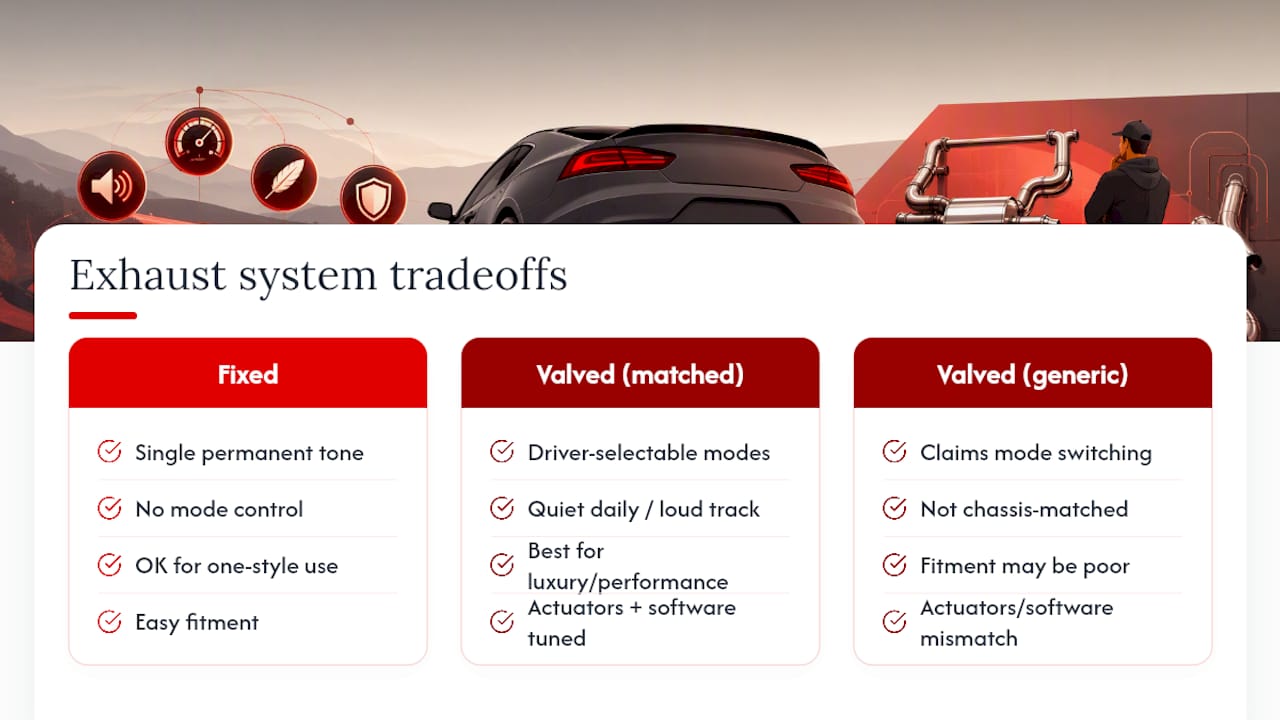
Most enthusiasts don’t actually want “loud.” They want control. A fixed cat-back locks you into one tone whether you’re leaving for work at 6 a.m. or heading to a Sunday track day, and that’s the real limitation most buyers don’t anticipate until they’ve lived with it for a month.
Valved systems solve that by letting the driver switch modes instead of committing to one exhaust personality forever. This matters most on luxury and performance vehicles, where owners split time between quiet neighborhood driving and aggressive backroad or track use. In our experience, fitment and long-term reliability come down to how well the valve actuators and controller software are matched to the specific chassis, not just whether the pipe diameter is right. A generic valved kit bolted onto a car it wasn’t tuned for tends to disappoint owners who expected the seamless mode switching they’d read about.
— Info
Get a Valved Cat-Back Built for Your Exact Car
A generic cat-back gives you one tone, permanently. Valve Control Exhaust gives you two, or more, from the same exhaust: whisper-quiet for the morning commute, full-throated for everything else, switched on demand through electronic valve control built specifically for European and luxury performance platforms.

Every system is engineered for a specific make and model rather than a generic fit, which matters enormously once you’ve read through the fitment notes above. Owners running these valved setups on Audi, BMW, Porsche, Ferrari, and Lamborghini platforms report sharper engine response and real control over cabin drone versus a fixed system. Start by reviewing the exhaust system anatomy breakdown to see how the valved components map onto your car, then reach out with your vehicle’s details for a fitment check and a professional installation quote.
Sources
- Exhaust system — Wikipedia
- What is a Cat-Back Exhaust? | RealTruck
- Engineerskill
- What Is a Cat-Back Exhaust System? Everything You Need to Know | MBRP®