
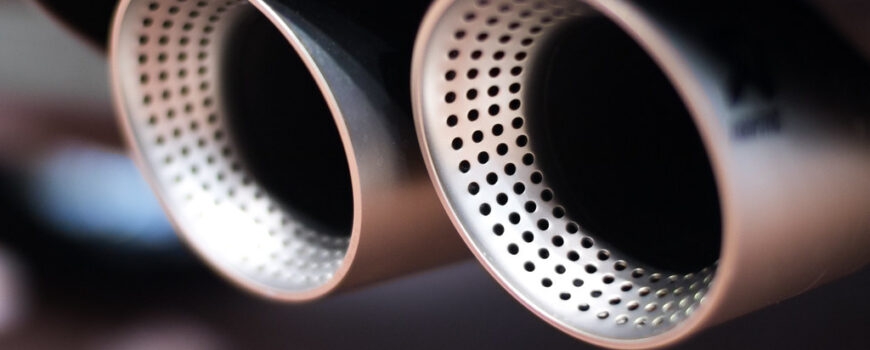
IPE Exhaust often serves as the benchmark for exotic-car owners chasing theatrical sound and theatrical presence; this analysis cuts through marketing to evaluate real-world performance, construction, and usability. If you want measurable gains, distinct sound profiles, and valve-controlled versatility, the choices you make matter more than the hype. This article interrogates leading options including FI Exhaust, Armytrix Exhaust, Akrapovic Exhaust, Valvetronic Exhaust, and Ryft Exhaust with a critical eye.
IPE Exhaust: sound engineering or sonic theater
IPE positions itself as a luxury performance exhaust maker focused on dramatic tone and aggressive tuning. The systems often use high-flow piping and electronic valves to switch between modes, producing a wide dynamic range.
From an engineering standpoint, their emphasis is on acoustic tuning rather than lightest-weight materials. Therefore, although the sound is distinctive, expected horsepower gains tend to be moderate unless paired with other engine upgrades.
FI Exhaust and aftermarket flexibility
FI Exhaust competes on adaptability and value, delivering systems that balance acoustic enhancement with modest weight savings. They tend to prioritize bolt-on compatibility and easier installation for a broader audience.
Critically, FI systems offer sensible backpressure characteristics; they rarely promise extreme power gains but improve midrange response. For owners seeking a pragmatic upgrade, FI represents a measured approach.
Armytrix Exhaust: valvetronic aggression unpacked
Armytrix Exhaust has carved a niche with aggressive valvetronic signatures and distinctive soundscapes tailored to younger enthusiasts. Their electronically controlled valves enable on-the-fly switching from tame to raucous, which is a strong selling point.
However, the trade-offs include complex electronics and potential reliability concerns in the long term. If your priority is the loudest, most attention-grabbing note, Armytrix delivers; if you want durability and minimal maintenance, approach with caution.
Akrapovic Exhaust: titanium mastery and track credibility
Akrapovic Exhaust is often the technical benchmark due to meticulous materials selection and motorsport pedigree. Titanium construction, precision welding, and low-mass design translate to real weight reductions and efficiency gains.
Performance gains are measurable, especially when paired with intake and tune optimizations. On the downside, Akrapovic systems are premium priced and less focused on theatrical volume, favoring harmonic refinement instead.
Valvetronic Exhaust: controlled dynamics and driver customization
Valvetronic systems emphasize a refined approach to valve control and software integration. They aim to offer both civility for daily driving and a more aggressive character for spirited runs.
Technically, the effectiveness of Valvetronic setups depends on actuator responsiveness and the exhaust mapping. When executed well, these systems provide the best compromise between comfort, noise compliance, and performance.
Ryft Exhaust: niche innovation and cost-performance balance
Ryft Exhaust targets a younger segment with modular designs and competitive pricing. Their products often include interchangeable tips and simplified valvetronic options to broaden appeal.
While not the lightest or loudest, Ryft can deliver focused improvements in throttle response and tonal refinement. As a result, they represent a pragmatic stepping stone for budget-conscious enthusiasts who still want modern features.
Comparative metrics: materials, weight, and gains
Across these brands, material choice—stainless steel versus titanium—directly affects weight and real-world performance. Titanium systems, notably Akrapovic, will show the largest reductions in unsprung mass and overall vehicle weight.
In terms of horsepower, expect modest gains from most cat-back systems unless the design significantly reduces restrictive elements or is paired with ECU tuning. Therefore, treat performance claims with skepticism and prioritize dyno-verified data.
Acoustic profiling and legal considerations
Sound is subjective, yet it is quantifiable in decibels and frequency response. Armytrix and IPE tend to emphasize low-frequency aggression, while Akrapovic biases toward harmonic clarity and midrange purity.
Additionally, local noise and emissions regulations can restrict the utility of very loud systems. Always verify compliance before purchasing, since noncompliant installations can lead to fines or failed inspections.
Fitment, warranty, and aftercare
Ease of installation and warranty terms vary widely. FI and Ryft often provide better aftermarket support for DIY installers, whereas premium brands like Akrapovic may require professional fitting to meet warranty standards.
Maintenance considerations—corrosion protection, valve reliability, and electronic module longevity—should factor into the total cost of ownership beyond the sticker price.
How to choose between IPE, FI, Armytrix, Akrapovic, Valvetronic, and Ryft Exhaust
Begin by defining priorities: maximum sound, measurable performance, weight reduction, or cost-effectiveness. Next, consult independent dyno tests and owner forums for vehicle-specific feedback.
Finally, consider ancillary costs like ECU tuning, professional installation, and potential emissions work. A well-chosen system enhances both the driving experience and the vehicle’s usability rather than simply amplifying noise.
Ultimately, the right exhaust is a balance between engineering goals and personal taste. Use the distinctions outlined here to short-list options, verify empirical performance data, and plan for installation and compliance so your upgrade delivers consistent, meaningful value on the road.