Explore the pros and cons of top aftermarket exhaust brands to find the perfect balance between sound, performance, and drivability for your vehicle.

Explore the pros and cons of top aftermarket exhaust brands to find the perfect balance between sound, performance, and drivability for your vehicle.

Performance exhaust buyers face a crowded marketplace where marketing outpaces measurable differences. IPE Exhaust appears in this industry as a premium valved option, promising both orchestral sound and track-ready flow; that claim deserves scrutiny within the first listening test and dyno run.
IPE delivers a distinctly European husk—rich midrange and harmonic complexity without excessive rasp. The valved architecture provides a useful on-road/off-road split, reducing drone when closed and opening up into a fuller tone under load.
Practically, the IPE system offers a linear escalation of volume with throttle. For drivers prioritizing civility during daily use, the calibrated valves reduce in-cabin fatigue while preserving presence at higher RPMs.
Construction is generally high-grade stainless or duplex; fitment is vehicle-specific and requires careful ECU adaptation on some models. Expect solid build and OEM-style hangers but plan for professional installation if you want perfect alignment.
FI Exhaust markets aggressive sound and weight reduction. Yet transitional dynamics reveal whether gains are theoretical or actionable on the road.
On the dyno, FI systems often show modest gains—primarily due to freer flow and reduced backpressure. However, the aerodynamic benefit is incremental; if your goal is measurable horsepower, complementary tuning is required.
FI leans louder with a pronounced mid-high frequency signature. That appeals to enthusiasts but can introduce drone in long drives; consider resonators or tailored valve maps to mitigate this.
Armytrix has built a reputation around electronically actuated valves and aggressive acoustics. The brand excels at delivering customizable sound, but not every feature justifies the price premium.
Integration with factory electronics is seamless on many platforms, offering remote control of valve states. Nonetheless, the added complexity can mean more failure points over time compared with simpler systems.
If configurability and show-stopping tone are priorities, Armytrix stands out. If reliability and minimal maintenance are non-negotiable, weigh that against potential long-term service costs.
Akrapovic typically leads on weight savings and engineering rigor. Their titanium offerings reduce mass significantly while preserving a refined, race-inspired sound profile.
Expect credible gains when coupled with a tuned engine. Akrapovic systems favor flow optimization, which helps at high RPMs—but the premium materials command premium pricing.
The sound is clean and pitch-focused rather than raw. For those seeking performance authenticity with restrained cabin intrusion, Akrapovic is a logical choice.
Valvetronic positions itself on modularity—interchangeable tips and valve mapping tailored to driver preference. This flexibility can be decisive if you frequently switch between daily driving and spirited runs.
Because systems are designed for aftermarket adaptability, you can tune sound characteristics without sacrificing flow. That versatility is a practical advantage for multi-use vehicles.
Build quality varies by model; examine weld quality and actuator robustness before committing. Some setups may require reinforcing hangers on heavier vehicles.
Ryft targets the value-conscious enthusiast with bold sound design. The systems are loud and emotive, but tradeoffs appear in refinement and long-term corrosion resistance.
If maximum auditory impact per dollar is the metric, Ryft succeeds. For long-distance comfort or resale-minded buyers, the raw tone can be a liability.
Start by prioritizing three variables: sound preference, real horsepower objectives, and legal/regulatory compliance. Next, match brands to those priorities—Akrapovic and IPE for refinement and engineering, Armytrix and Valvetronic for configurability, FI and Ryft for aggressive acoustic impact.
Additionally, request measured decibel and dyno data when possible, confirm warranty coverage, and factor installation and mapping costs. Finally, if you want both street civility and weekend theatrics, valved systems that integrate with ECU mapping provide the most usable compromise.
Choose based on priorities: targeted power and weight reduction, electronic valve control, or headline-grabbing sound. That selection framework ensures your purchase delivers predictable performance, manageable noise, and durable fitment—allowing you to enjoy both the drive and the sound without costly surprises.

IPE Exhaust systems often define the opening line in any exhaust-buying debate because they combine audible drama with tailored valving. If you want a performance muffler that can switch between civil and aggressive tones, the IPE Exhaust frequently sits near the top of consideration lists. This article cuts through marketing hyperbole and compares IPE, FI, Armytrix, Akrapovic, Valvetronic, and Ryft systems on criteria that matter to drivers: sound, materials, weight, fitment, and long-term usability.
IPE’s signature is a loud, orchestral note at wide-open throttle with an electronically actuated valve to tame it when needed. In practice, valve response, drone at partial throttle, and integration with stock ECU mapping determine whether that note feels refined or intrusive.
From a build perspective, IPE offers polished stainless and titanium options; however, finish quality can vary by model year and manufacturer partnership. Therefore, inspect welds and actuator housings before purchase and confirm warranty terms for corrosion and actuator failures.
FI Exhaust and Armytrix Exhaust both emphasize modular valved systems, but they approach user control differently. FI tends to focus on an aggressive, aftermarket-first sound with straightforward valving, while Armytrix pitches a more configurable experience via smartphone connectivity and multiple exhaust modes.
Practically speaking, choose FI if you prioritize raw tone for motorsport or show use. Conversely, Armytrix is better if you need on-the-fly adjustment and a softer daily-driving demeanor. Both require time investment to tune valve maps and to ensure compatibility with existing cat-back or downpipe assemblies.
Akrapovic Exhaust systems are engineered for marginal gains in mass reduction and flow efficiency. Their use of titanium and advanced manufacturing yields measurable reductions in weight and often improves throttle response and handling balance when compared to steel systems.
On the flip side, Akrapovic’s subtler, race-derived timbre can be less dramatic than some valved competitors. If your priority is engineering rigor, lifespan, and OEM-grade fitment, Akrapovic is a defensible premium option.
Valvetronic Exhaust systems take a middle path: competent acoustic engineering combined with accessible valving hardware. The user interface and actuator quality matter more here than raw sound character because they directly influence daily usability.
Expect clear pros and cons: Valvetronic often undercuts premium brands on price while offering modularity, but you should audit electrical robustness, actuator noise, and latency to avoid poor valve behavior after months of use.
Ryft Exhaust positions itself as the budget-conscious alternative with solid performance gains and acceptable sound profiles. For buyers who need a functional upgrade without splurging, Ryft can deliver value, particularly on models with extensive aftermarket support.
However, cheaper entry price can translate into compromises: less refined welding, limited finish options, and variable sound tuning. If resale value or long-term corrosion resistance matters, plan for preventive coatings or a more durable option.
When comparing these brands directly, evaluate five practical criteria: sound at cruise and wide-open throttle, drone and resonance, build materials, weight savings, and warranty/service network. Also consider regulatory compliance—noise laws and emissions testing can make certain valved or high-flow setups impractical in some regions.
Additionally, check the compatibility with existing engine tuning. Some systems demand ECU calibrations or anti-tamper scripts to avoid CELs and maintain smooth idle behavior. If you value plug-and-play, prioritize brands with established vehicle-specific kits.
First, define your priorities: sound versus stealth, weight savings versus cost, and warranty versus DIY confidence. Next, schedule a test fit or listen session if possible; subjective perception of tone differs widely. Finally, verify warranty coverage and serviceability options to avoid surprise costs later.
Furthermore, request decibel readings or on-car audio samples at cruising, idle, and WOT from the vendor or community forums. This objective data helps mitigate bias from marketing videos and staged demos.
Overall, selecting among IPE Exhaust, FI Exhaust, Armytrix Exhaust, Akrapovic Exhaust, Valvetronic Exhaust, and Ryft Exhaust depends less on brand mythos and more on the alignment of product characteristics with your priorities. By focusing on valve behavior, materials, integration, and real-world sound metrics, you can shortlist sensible options, perform targeted inspections, and plan any necessary tuning. Take these steps before purchase to ensure the upgrade enhances driving pleasure without unforeseen compromises.
Most aftermarket exhaust debates start with sound, and the IPE Exhaust often dominates the conversation for its theatrical tone. This piece cuts through marketing rhetoric and compares six prominent systems with measured criteria: acoustic signature, materials, valve strategy, fitment, and real-world drivability. If you want a practical, critical lens on FI Exhaust, Armytrix Exhaust, Akrapovic Exhaust, Valvetronic Exhaust, and Ryft Exhaust, read on for focused analysis and actionable next steps.
Sound is subjective, yet it is quantifiable through frequency spread, drone presence, and transient response. IPE Exhaust tends to emphasize low-frequency boom and aggressive crackles, which can appeal to enthusiasts seeking a theatrical presence.
By contrast, Armytrix Exhaust aims for a more balanced, raw tone with sharper top-end presence and quicker valve response. Akrapovic Exhaust leans toward refined, race-derived timbre, often using titanium to reduce resonance and keep harmonic complexity without excessive cabin drone.
Therefore, if soundtrack is your primary criterion, weigh the tradeoff between spectacle and refinement. Expect more cabin intrusiveness from louder valved systems and less overt drama from lightweight race-oriented systems.
Assess weld quality, metal grade, and flange machining when comparing FI Exhaust and Ryft Exhaust. Fi Exhaust typically uses stainless steels with robust welds but varies by model; Ryft often focuses on modular components and aggressive styling rather than exotic alloys.
Akrapovic Exhaust consistently uses premium alloys like Inconel or titanium on flagship lines, which improves corrosion resistance and lowers mass. That said, real-world durability depends on coating, drainage design, and exhaust layout relative to road salts and heat cycles.
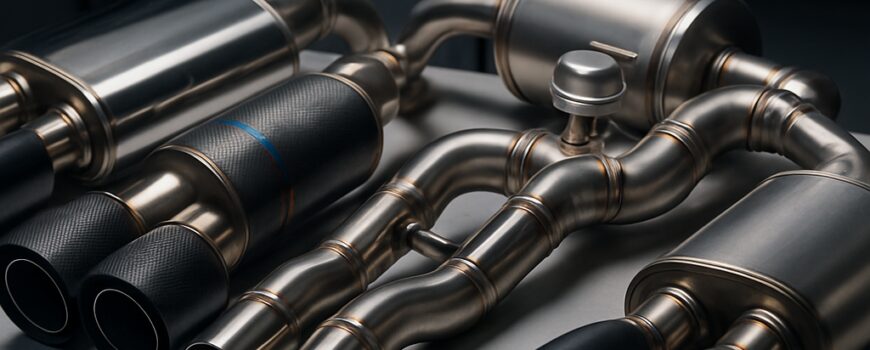
Check for TIG welding, laser-cut flanges, and replaceable internals. These small details predict service life more reliably than brand rhetoric alone.
Valvetronic systems differ in actuator type, control logic, and tuning options. Valvetronic Exhaust typically focuses on software-tuned valve maps that integrate with ECU inputs to provide staged opening and closing behavior.
Armytrix Exhaust uses fast DC motors and dedicated controllers to reduce lag and allow remote or ECU-linked profiles. FI Exhaust offers simpler pneumatic or electric valves on select models, which may be more cost-effective but less configurable.
Consequently, valve latency affects throttle response and the timbre of backfires or burbles. If you prioritize seamless transitions from quiet to loud, test valve actuation under realistic driving conditions before committing.
Fitment issues are common when manufacturers swap headers, catalytic converters, or tailpipe geometry. Ryft Exhaust often markets direct-fit kits for popular platforms, but aftermarket fitment tolerances vary widely across brands and model years.
Emissions compliance and warranty coverage are major decision drivers. Some systems require ECU retune or cat-less sections, which can void warranties and fail local inspections. Ask dealers for OE-equivalent hardware and documented CARB or EC approvals where applicable.
Higher price does correlate with better materials and finish in many cases, yet the marginal return diminishes past a certain point. Balance cost against measurable gains like weight reduction, dyno-proven horsepower, and sound preference.
Measured horsepower and torque changes should guide expectations; anecdotal claims are insufficient. Many valved systems add backpressure at low revs to tune sound, which can blunt low-end torque unless mapping compensates for it.
For daily-driven vehicles, drone and thermal soak matter. Akrapovic Exhausts often minimize drone with tuned resonators, whereas IPE Exhaust may trade quiet comfort for cinematic audio. Ryft and FI often occupy the middle ground with aggressive styling and acceptable daily manners.
Before purchase, request dyno charts from the exact system and hardware level you will buy, ask for cabin drone recordings at cruising speeds, and verify valve controller responsiveness. If possible, test-fit or attend a meet where multiple systems are installed.
Choosing among IPE Exhaust, FI Exhaust, Armytrix Exhaust, Akrapovic Exhaust, Valvetronic Exhaust, and Ryft Exhaust reduces to prioritized criteria: sound preference, material and weight priorities, valve behavior, legal compliance, and installation quality. Use the testing protocol above, insist on documented performance data, and schedule a professional fitment and ECU check to ensure the system you select delivers the intended acoustic and performance outcomes while minimizing downstream surprises.