Explore the pros and cons of top aftermarket exhaust brands to find the perfect balance between sound, performance, and drivability for your vehicle.
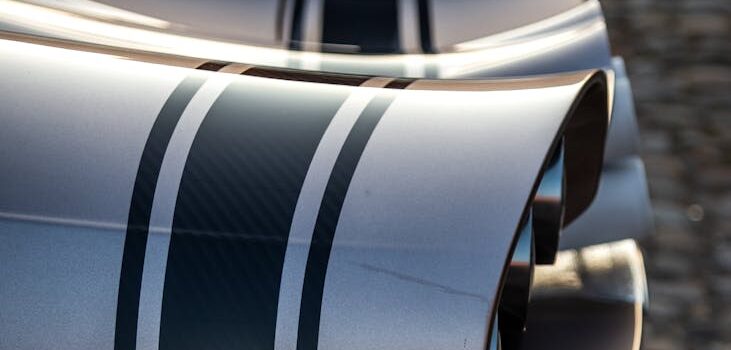

Explore the pros and cons of top aftermarket exhaust brands to find the perfect balance between sound, performance, and drivability for your vehicle.
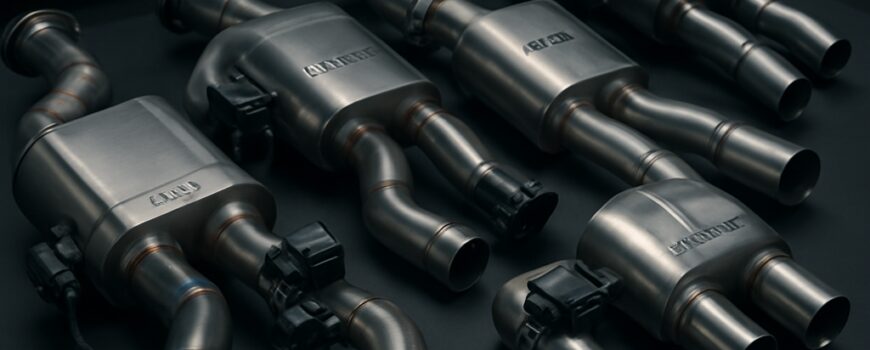
IPE Exhaust often headlines conversations about valved systems, and with good reason: it promises a specific combination of growl and engineering. If you are deciding between brands like FI Exhaust, Armytrix Exhaust, Akrapovic Exhaust, Valvetronic Exhaust, and Ryft Exhaust, the choice should be driven by measurable trade-offs, not marketing. This piece cuts through the noise to evaluate sound, materials, control systems, and real-world usability.
Both IPE and FI offer valved performance exhausts that emphasize aggressive mid-range tone, yet they take different engineering approaches. IPE tends to emphasize resonance tuning and larger chambers to create an orchestral bark, while FI often uses more compact internals and enhanced flow for a raw, metallic note.
In practical terms, the distinction matters: if you want character and presence at cruise, IPE will deliver. If you prioritize sharpness at high RPM and minimal backpressure, FI’s hardware can be more efficient. Moreover, serviceability and available fitment kits vary considerably between the two brands.
Armytrix is synonymous with loud, electronically valved systems that favor dramatic on/off transitions. Conversely, Akrapovic is engineering-centric, focusing on materials—titanium, Inconel options—and measured performance gains. That contrast defines their target buyers.
Where Armytrix sells emotion and auditory impact, Akrapovic sells weight savings, corrosion resistance, and documented dyno improvements. Transitioning from daily driving to track use, Akrapovic’s lighter assemblies and refined flow often yield better lap-time benefits than a purely theatrical system.
Titanium and high-grade stainless steel change the equation. Akrapovic’s titanium sections reduce mass and heat soak; Armytrix often uses stainless with heavy-duty valving hardware. FI and IPE have mixed strategies depending on the model—steel for cost-effective durability, exotic alloys for flagship lines.
In short: if chassis balance and heat management are priorities, prioritize lighter materials even if initial sound isn’t as pronounced.
Valvetronic and Ryft represent a new wave of electronic valving with emphasis on integration and app-based control. Valvetronic systems often pair tightly with ECU and can offer multiple sound maps; Ryft focuses on modularity and user customization.
That said, integration depth matters. Systems that communicate with the vehicle’s CAN bus typically provide seamless transitions and fewer error codes. Conversely, bolt-on controllers that ignore the vehicle’s electronics may produce CELs or limp-mode triggers. In practical terms, check compatibility and aftermarket support before purchase.
All these brands advertise an ideal sound, but drone at cruising speeds remains the primary consumer complaint. Akrapovic tends to mitigate drone through chambering and flow optimization; Armytrix and IPE sometimes require additional resonators or software mapping to reduce cabin vibration.
Therefore, evaluate each system under the exact driving conditions you use most. A loud system that shines at 5,500 rpm but drones at 2,000–2,500 rpm can degrade daily usability significantly.
Installation complexity ranges from plug-and-play to full exhaust replacement with ECU remapping. Ryft and Valvetronic often aim for easier installs, while Akrapovic and FI may require bespoke hangers and thermal shielding. Armytrix sometimes mandates additional wiring for valve actuators and remote controls.
Compliance is critical: check local noise and emissions laws. Akrapovic has more documented homologation options in many markets; others may be strictly for off-road or track use. Warranty and dealer network should weigh into the decision—broken valving or actuator failure is a pain unless supported locally.
To choose wisely, prioritize a short checklist: desired sound profile, acceptable drone levels, weight savings versus cost, materials preference, and legal compliance. Test multiple systems on similar platforms, insist on dyno charts for power claims, and verify integration with your vehicle’s electronics. Take the time to match the system to how you actually drive, and you’ll avoid buyer’s remorse while maximizing both sound and function.

Choosing a performance exhaust is more than picking the loudest option; it’s a tradeoff between tone, materials, and controllability. An IPE Exhaust often promises dramatic auditory presence, but real-world use demands scrutiny—sound quality, build, and compatibility matter as much as headline decibel numbers. This analysis cuts through marketing to assess IPE, FI, Armytrix, Akrapovic, Valvetronic and Ryft Exhaust systems by practical criteria that affect daily driving and track performance.
IPE systems are engineered for a bold, orchestral tone with clear emphasis on mid and high frequencies. They use valved architectures and tuned resonators to craft an aggressive character that many enthusiasts seek.
However, that signature sound can introduce cabin drone at cruising speeds and may demand ECU or resonator modifications for ideal integration. In short, IPE excels at theatrical presence but requires planning if you value refinement during long drives.
FI Exhaust prioritizes efficient exhaust flow and modularity. Their systems often focus on reducing backpressure with mandrel-bent piping and free-flow mufflers, which translates to consistent gains across RPM ranges.
That focus on flow makes FI a strong choice for those pursuing measurable performance improvements and tunability without exaggerated sound signatures. Yet, depending on model, the tone can be less characterful than brand-first alternatives.
Armytrix differentiates with electronically controlled valves and smartphone or remote interfaces. This allows rapid switching between quiet and aggressive modes, which is valuable for mixed-use vehicles.
Still, electronic complexity adds failure points and increases cost. For drivers who frequently alternate between street and track, Armytrix offers clear utility; for purists who want simplicity, the extra hardware may be unnecessary.
Akrapovic is synonymous with advanced materials—titanium and high-grade stainless steel—and meticulous construction. Their systems deliver excellent weight reduction and a refined, performance-oriented timbre.
Performance gains are typically validated by independent testing, but the premium price reflects both engineering and brand cachet. If weight savings and long-term durability are priorities, Akrapovic is difficult to beat.
Valvetronic emphasizes valve-driven sound control with a focus on maintaining OEM-like driveability when valves are closed. The approach seeks to balance daily comfort and spirited exhaust note on demand.
This tradeoff generally results in a system that feels integrated and civilized for commuting, yet capable of dramatic sound under throttle. For owners who refuse to compromise between comfort and performance, Valvetronic is a pragmatic middle ground.
Ryft positions itself as a cost-conscious alternative that still delivers modularity and sensible sound tuning. Their products are often built to be user-serviceable and easier to adapt across models.
Consequently, Ryft appeals to budget-minded enthusiasts who want an upgrade without premium marque pricing. Expect good performance-per-dollar, but understand there are compromises in exotic materials and bespoke tuning.
Sound quality: Prioritize tonal balance over raw volume. Listen to multiple systems on similar platforms to detect resonance and drone. Short test drives in real traffic are more revealing than dyno clips.
Materials and weight: Titanium and lightweight alloys reduce mass and often improve thermal resilience. Stainless systems are durable and cost-effective, but heavier.
Control systems: Valves and electronics add flexibility but also complexity. If you switch modes frequently, a valved system like Armytrix or Valvetronic is worth considering; otherwise, simpler designs limit failure points.
Fitment and compatibility: OEM-like fitment minimizes installation headaches and runoff costs. Verify hanger locations, bumper clearances, and whether ECU adjustments are required for optimal operation.
Cost versus long-term value: Upfront price is only part of the equation. Consider warranty, dealer support, and potential resale value when comparing Akrapovic, IPE, FI, Armytrix, Valvetronic, and Ryft Exhausts.
Confirm whether the exhaust affects emissions or voids warranties. Request audio samples under realistic conditions and ask for installation details. Factor in additional costs like tuning, catalytic converter compatibility, and potential re-mapping.
Listen for harmonic richness (pleasing layering across RPMs) and low-frequency drone at steady speeds. A well-engineered system offers aggressive sound without fatiguing tones during highway driving.
Ultimately, the best choice depends on priorities: if theatrical sound is paramount, IPE and Armytrix deliver; if material sophistication and weight savings matter, Akrapovic leads; for tunability and flow, FI is strong; Valvetronic offers a balanced daily-driver solution; Ryft provides solid value. Use the technical checklist to narrow options, perform real-world listening tests, and quantify fitment needs before purchase to ensure the chosen exhaust aligns with both performance goals and everyday usability.
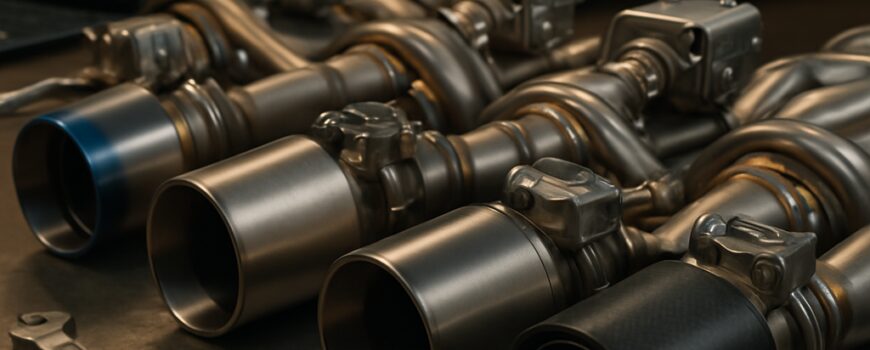
IPE Exhaust systems often headline conversations about valved performance pipes, but the true question is which system aligns with your priorities: sound authenticity, weight savings, or day-to-day usability. This piece cuts through marketing rhetoric to evaluate IPE, FI Exhaust, Armytrix Exhaust, Akrapovic Exhaust, Valvetronic Exhaust, and Ryft Exhaust on measurable criteria. If you want a decisive, evidence-oriented take rather than enthusiast hyperbole, read on.
IPE typically emphasizes a deep, aggressive tone with pronounced mid-range resonance. In practical terms, the brand targets drivers who prioritize theatrical sound on throttle while tolerating some cabin drone at cruising speeds.
From a materials perspective, IPE offers stainless and titanium options; however, installation fitment and noise control often dictate the final experience more than the alloy choice. If you demand controllable loudness and OEM-like refinement, expect trade-offs in either complexity or cost.
FI Exhaust systems position themselves as tuners’ favorites due to modular components and straightforward valve integration. That modularity favors custom backpressure tuning and easier ECU mapping when optimizing for torque or top-end flow.
Moreover, the construction quality is typically consistent, with mandrel-bent piping and corrosion-resistant finishes. That said, FI’s sound signatures lean toward utilitarian rather than sculpted—effective but less nuanced than some competitors.
Armytrix made a name by combining aggressive acoustics with smartphone-controlled valve actuation. The result is an appealing blend of on-demand theatrics and suburban practicality when you silence the system.
Nevertheless, the electronics add points of failure and complexity. In maintenance terms, the app-enabled convenience must be balanced against potential warranty or reliability considerations when used on daily-driven vehicles.
Akrapovic consistently leads on material innovation, especially with titanium and carbon-fiber components that substantially reduce mass. That weight advantage translates to tangible handling improvements, not just aesthetic prestige.
Acoustically, Akrapovic systems are engineered with harmonic precision—refined, with a clear high-end bite but generally less rawness than aftermarket rivals. Expect a premium price for engineering excellence and strong OEM partnerships.
Valvetronic systems deserve scrutiny for their valve actuation logic and how that interacts with engine mapping. The key difference is whether the valves alter backpressure curves meaningfully or simply redirect flow for sound.
Practically speaking, Valvetronic’s success lies in software calibration: well-tuned valves can mitigate drone and preserve low-end torque, while poor calibration can create unpredictability in response and emissions behavior.
Ryft aims for a balance between cost-effectiveness and satisfying sound, positioning itself as an accessible entry into valved systems. For budget-conscious buyers seeking louder exhaust without premium pricing, Ryft often checks the right boxes.
However, compromises are visible in finish details and acoustic refinement compared to higher-tier offerings. If budget constrains you, Ryft can be a pragmatic choice; just temper expectations on longevity and fitment tolerances.
When comparing these brands, evaluate three objective axes: acoustic character (tone, pitch, and drone), mass and materials (titanium vs stainless steel), and installation complexity (electrical valves, ECU mods). These metrics predict real-world satisfaction far better than marketing claims.
Furthermore, listen to systems in person—recordings lie. The interplay between engine tuning, exhaust length, and chambering means the same model can sound materially different across platforms.
Finally, consider emissions compliance, local noise regulations, and warranty implications. Modifying exhaust can affect resale value and serviceability, so document installations and retain OEM parts when possible.
Moreover, prioritize reputable installers who can verify fitment and advise on ECU calibrations to prevent check-engine lights or limp-modes after installation.
Choosing between IPE Exhaust, FI Exhaust, Armytrix Exhaust, Akrapovic Exhaust, Valvetronic Exhaust, and Ryft Exhaust ultimately depends on which compromises you accept: theatrical sound at the expense of cabin comfort, or engineered refinement with a premium price. To act on this analysis, shortlist systems that match your acoustic goals, test them in person when feasible, verify materials and warranty coverage, and plan for professional tuning. That approach ensures your chosen exhaust delivers measurable performance and a sound profile suited to daily use and spirited driving alike.