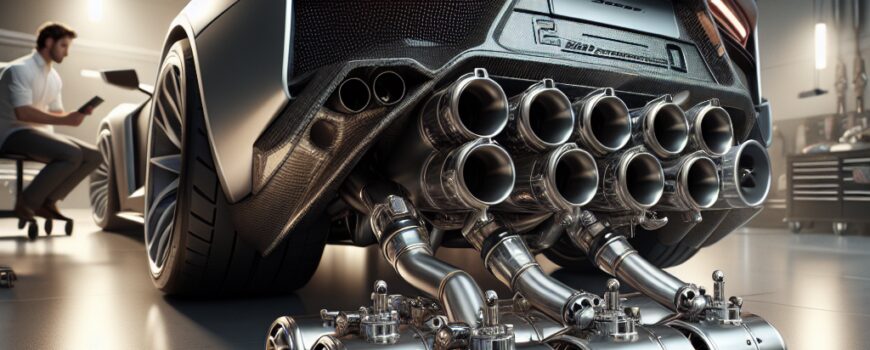
Tag: exhaust comparison

on

IPE Exhaust systems often headline conversations about premium sound and engineering, but the decision to upgrade is rarely emotional alone. If you want measurable gains in tone, weight, and driveability, this analytical review cuts through marketing and focuses on what each brand actually delivers on the road and the dyno.

IPE Exhaust: Signature sound, build quality, and fitment

IPE exhausts sell a very specific proposition: orchestral, aggressive note coupled with high‑quality materials. Expect multilayer construction, polished tips, and weight savings over stock in many models.

That said, the sound profile is not for everyone—there is pronounced presence at idle and under load, and some users report low‑speed drone depending on cabin insulation. If the prime goal is theatrical character on a show car, IPE is difficult to beat; if daily comfort tops the list, test thoroughly before buying.

Comparing FI Exhaust, Armytrix Exhaust, and Akrapovic Exhaust: sound and performance

FI Exhaust often prioritizes a balanced tone with engineering aimed at acceptable daily manners. Their systems tend to be less theatrical than IPE and generally lean toward cost effectiveness while retaining decent flow characteristics.

Armytrix exhausts emphasize active valve control and volume; their hardware is usually app‑or remote‑operated and engineered for dramatic pops and crackles when desired. If you want an exhaust that doubles as a performance accessory and entertainment device, Armytrix achieves that but expect higher hardware complexity.

Akrapovic exhausts, in contrast, prioritize lightweight materials and track‑informed performance. Titanium options and race‑derived acoustics give Akrapovic a technical edge: cleaner powerband improvements, minimal penalty in backpressure, and credible weight reductions.

Valvetronic Exhaust and Ryft Exhaust: control, usability, and technology

Valvetronic systems are defined by precise valve architecture and often direct OEM integration. They strike a middle ground: audible when you want it, discreet at cruising speeds. Those valuing factory‑like usability will prefer Valvetronic’s calmer implementation.

Ryft Exhaust targets a younger, performance‑oriented segment with aggressive sound and modular designs. Ryft units are typically tuned for maximum presence and aftermarket customization. If you favor an exhaust that sounds like a statement, Ryft will deliver the theatricality, though sometimes at the cost of refined low‑speed manners.

Materials, durability, and how they affect real‑world performance

Materials matter: titanium reduces mass and resists corrosion but increases cost. Stainless steel offers longevity and lower price but is heavier. Brands vary—Akrapovic favors titanium where weight is critical; IPE and Armytrix commonly use stainless with high‑grade finishes.

Durability is also a function of weld quality, internal baffling, and valve actuation mechanisms. Electronic valves introduce failure modes that passive systems lack; Armytrix and some valved Ryft setups therefore require more maintenance consideration.

Sound tuning, drone, and legal considerations for performance exhausts

Sound is the primary differentiator. Controlled crackles and pops can be engineered, but unwanted drone often emerges from resonance in the 1.5–2.5 kHz band. Test routes that mimic your daily drive to evaluate cabin drone before committing.

Legalities are nontrivial. Many aftermarket exhausts alter emissions or noise output and may fail inspection in some jurisdictions. Brands vary in how they approach compliance; ask for model‑specific documentation and warranty coverage for street use.

Practical selection matrix: matching priorities to brand strengths

If theatrical sound and show presence matter most, IPE and Ryft score highly. If weight reduction and track performance are the priority, Akrapovic is the technical choice. For app‑controlled theatrics and aggressive valve behavior, Armytrix leads. FI offers balanced cost performance, and Valvetronic blends usability with adjustable presence.

Therefore, your selection should be guided by a ranked list: sound preference, daily comfort, weight goals, durability expectations, and legal constraints. Use each criterion to eliminate unsuitable options quickly.

How to test before you buy and actionable next steps

Arrange back‑to‑back sound checks and short test drives if possible, focusing on idle, mid‑range, and highway cruising. Bring a decibel meter and note any persistent cabin drone at common speeds and RPMs.

Also request dyno sheets showing real power and torque changes for your engine and vehicle configuration. Verify fitment specifics—mounting points, tip size, and any required ECU tuning—and confirm warranty terms for valves and electronics.

Choosing between IPE Exhaust, FI Exhaust, Armytrix Exhaust, Akrapovic Exhaust, Valvetronic Exhaust, and Ryft Exhaust ultimately reduces to prioritized trade‑offs: sound versus comfort, weight versus cost, and tech complexity versus reliability. Test empirically, demand data, and match a system to how you actually drive to ensure the upgrade delivers measurable and audible value you can live with every day.

on

A single aftermarket component can redefine a car’s personality: the IPE Exhaust often promises theatrical sound, bespoke fitment, and perceived status—yet not every driver benefits equally. This analysis cuts through marketing to examine where IPE and its competitors actually deliver, using measurable criteria rather than slogans.

IPE Exhaust: Sound, Build, and Practicality

First, address what most buyers want: sound. IPE exhausts produce a characterful, resonant tone that favors a low, muscular bark at cruise and an aggressive bark on throttle. That said, acoustic appeal varies by model and suppression settings.

Moreover, build quality is generally high with multi-layered stainless construction, but fitment can be finicky on some chassis. Expect professional installation for optimum alignment and to prevent rattles.

Acoustic profile and street legality

IPE emphasizes presence over subtlety; the result is a system that can be exhilarating on open roads yet conspicuous in dense urban environments. Consequently, check local noise and emissions rules before purchase.

Materials and longevity

High-grade stainless and ceramic coatings are common, though warranty terms and corrosion resistance differ across markets. Inspect weld quality and finish as a proxy for long-term value.

FI Exhaust: Measured Gains Versus Perception

FI Exhaust systems sell on performance claims. Objectively, many FI kits yield modest horsepower improvements when paired with proper tuning. However, the variance in real-world gains is significant depending on engine and ancillary mods.

Importantly, FI tends to be pragmatic with sound—refined, but not extreme—making it suitable for buyers prioritizing balance over theatrics.

Tuning and compatibility

FI’s systems are often plug-and-play but benefit from ECU calibration. Therefore, allow budget for mapping to secure claimed gains and avoid check-engine triggers.

Armytrix Exhaust: Valve Control and Performance Dynamics

Armytrix emphasizes active valve technology to offer variable sound and flow. This approach provides flexibility: quiet cruising or a full-throat soundtrack on demand.

Nevertheless, the added electronics introduce failure modes—actuators, wiring, and control modules—that warrant inspection, particularly on high-mileage cars.

Reliability trade-offs

Valved systems add complexity; thus, they require more meticulous installation and occasional calibration. Choose Armytrix if you value on‑the‑fly control and accept incremental maintenance risk.

Akrapovic Exhaust: Weight Savings and Craftsmanship

Akrapovic prioritizes materials engineering—titanium and carbon fiber are standard on top-tier offerings. The payoff is clear: meaningful weight reduction and race-derived refinement.

Acoustically, Akrapovic leans toward clean, high-frequency tones rather than table‑shaking bass. That distinction matters if you want track composure over boulevard drama.

Performance edge

The combination of reduced rotating mass and optimized back-pressure often translates to tangible lap-time improvements. However, cost per pound saved is high; weigh budget against objectives.

Valvetronic Exhaust: Integration and Driveability

Valvetronic designs focus on integration with OEM systems, aiming for factory-like driveability and seamless valve behavior. This philosophy suits owners who want an upgraded voice without sacrificing refinement.

Integration benefits include preserved cold-start behavior and smoother transitions, though peak sound levels may be lower than stand-alone aftermarket units.

Electronics and control strategies

Valvetronic’s software-hardware pairing is a strength. Expect fewer drivability compromises and easier reinstatement to stock condition for resale.

Ryft Exhaust: Cost, Sound, and DIY Appeal

Ryft occupies the value segment with aggressive pricing and a focus on bang-for-buck. Sound tends to be louder for the price point, trading refinement for raw presence.

Additionally, Ryft kits often appeal to DIY installers; fit is generally straightforward but lacks the polish and long-term corrosion protection of premium competitors.

When to choose Ryft

Choose Ryft if budget is primary and you accept higher cabin drone and shorter service life. For the enthusiast who enjoys hands-on installs, Ryft represents a rapid route to audible change.

Comparative Metrics: Matching Exhausts to Priorities

Across these brands—IPE Exhaust, FI Exhaust, Armytrix Exhaust, Akrapovic Exhaust, Valvetronic Exhaust, and Ryft Exhaust—differences condense into several decision vectors: sound profile, durability, weight savings, electronic complexity, and cost.

Therefore, rank your priorities upfront. If track times matter, prioritize Akrapovic. If throttle drama and evening controllability matter, Armytrix or Valvetronic are preferable. For prestige sound with strong presence, IPE fits the bill. For practicality and modest gains, lean FI; for budget impact, consider Ryft.

Actionable steps to finalize your choice

Start by listening in person—clip-level comparisons on similar chassis are revealing. Next, verify warranty, emissions compliance, and required ECU work. Finally, budget for professional installation unless the kit explicitly supports straightforward DIY fitting.

Choosing an exhaust is less about brand worship and more about aligning technical trade-offs with real priorities: sound preference, performance targets, maintenance tolerance, and legal context. Take the time to audition systems, ask for dyno or measured data where available, and plan the installation as part of the total cost; that disciplined approach yields the best long-term satisfaction and keeps the driving experience honest and rewarding.

on

The aftermarket exhaust market is crowded, but picking the right system matters—both for daily drivability and track performance. An IPE Exhaust often defines the luxury end of the spectrum, and this piece evaluates that alongside FI Exhaust, Armytrix Exhaust, Akrapovic Exhaust, Valvetronic Exhaust, and Ryft Exhaust to give a pragmatic framework for buyers.

IPE Exhaust: Tone, Refinement, and Real-World Usability

IPE systems typically emphasize a deep, engineered tone that suits high-end European cars. Their valved architecture offers control over sound levels, which helps reconcile spirited driving with neighborhood sensitivity.

That said, IPE units can be heavy relative to titanium rivals and they command a premium. If you prioritize a cultivated, resonant character and smooth integration with factory lines, IPE is a serious candidate.

FI Exhaust and Valvetronic Exhaust: Versatility and Cost Considerations

FI Exhaust and Valvetronic-branded systems often aim for modularity—valve control, multiple tip finishes, and a balance between sound and legality. Economically, they sit between boutique and flagship manufacturers.

Conversely, compromises sometimes occur in materials or finish. Therefore, verify construction (stainless vs titanium), valve mechanism durability, and the availability of service parts before committing.

Armytrix Exhaust: Tech Integration and Aggressive Sound

Armytrix Exhaust systems are known for electronically controlled valves and an aggressive, in-your-face voice. They frequently include app or remote control for valve actuation, which is attractive for drivers who want instant variability.

However, the aggressive tuning can produce cabin drone at certain RPMs and may require additional heat shielding. For buyers seeking an interface-driven, loud experience, Armytrix delivers—if you accept the trade-offs.

Akrapovic Exhaust: Lightweight Engineering and Precision

Akrapovic Exhaust stands out for material science and racing pedigree, with titanium components that reduce mass and refine resonance. The result is precise, well-damped sound without unnecessary harshness.

Because of meticulous construction and track-focused development, Akrapovic systems are expensive but deliver sensible performance returns, especially where weight savings and tone quality are priorities.

Ryft Exhaust: Fresh Approach and Value-Driven Choices

Ryft Exhaust has positioned itself as a value-oriented alternative with scope for aggressive tuning and distinctive aesthetics. Their designs often target drivers who want pronounced presence without the top-tier price tag.

Still, new entrants can vary in long-term support and consistency. Therefore, weigh immediate appeal against installer feedback and documented longevity before selecting Ryft for a high-mileage vehicle.

Performance Metrics: Flow, Backpressure, and Real Gains

When assessing IPE, FI, Armytrix, Akrapovic, Valvetronic, and Ryft Exhaust systems, separate perceived improvements from measurable gains. Horsepower increases on a dyno are contingent on flow characteristics, header compatibility, and whether the ECU is tuned.

Moreover, valved systems alter backpressure dynamically—beneficial for torque delivery, yet complex to quantify without testing. Therefore, request independent dyno results and real-world torque curves rather than relying on marketing claims.

Practical Buying Criteria: Sound, Fitment, Controls, and Budget

First, prioritize what you value most: a refined tone, aggressive sound, weight reduction, or app-enabled control. This single axis simplifies choices between IPE, Armytrix, Akrapovic, and the rest.

Next, confirm fitment and legal compliance—local noise and emission regulations vary. Additionally, evaluate warranty terms and installer experience because complex valved systems demand maintenance expertise.

Actionable Checklist Before Purchase

1) Listen in person or use verified sound clips at comparable distances. 2) Check material specs (stainless vs titanium) and heat shielding. 3) Ask for dyno data relevant to your vehicle and whether a tune is required. 4) Confirm warranty, spare-part availability, and installer familiarity with the brand.

Finally, consider resale and long-term ownership costs; a cheaper initial purchase may cost more in repairs or noise mitigation over time.

Choosing among IPE Exhaust, FI Exhaust, Armytrix Exhaust, Akrapovic Exhaust, Valvetronic Exhaust, and Ryft Exhaust is ultimately an interplay between sonic preference, engineering priorities, and real-world constraints. Use the practical checklist above, prioritize one or two non-negotiables (sound, weight, or app control), and validate claims with in-person demos and dyno evidence to ensure the system you buy performs where it matters most.

on

Choosing an aftermarket exhaust is as much about engineering trade-offs as it is taste, and the IPE Exhaust often serves as the litmus test for buyers who want aggressive tone without sacrificing build quality. This piece dissects the strengths and weaknesses of top valved and performance systems—FI Exhaust, Armytrix Exhaust, Akrapovic Exhaust, Valvetronic Exhaust, and Ryft Exhaust—so you can align sound, performance, and daily drivability to your priorities.

IPE Exhaust: Sound Character, Weight, and Usability

IPE exhausts are known for a pronounced, characterful note at wide throttle and a strong presence at idle. That said, their sound signature can be polarizing; some enthusiasts praise the harmonic layering while others find it too theatrical for long drives.

In terms of build, IPE typically uses robust stainless components and offers comprehensive valvetronic control. However, weight and fitment tolerance vary by model, so confirm mounting hardware and potential modifications before purchase.

FI Exhaust: Performance Gains Versus Practical Drawbacks

FI exhaust systems aim to maximize flow and horsepower, and their acoustic profile follows suit—loud, raw, and performance-forward. For those focused on lap times or aggressive tuning, FI Exhaust can be compelling.

On the flip side, expect notable cabin drone at certain rev ranges and modest NVH refinement. If your use case includes highway commuting, consider supplementary solutions like resonators or adjustable-valve systems.

Armytrix Exhaust: Electronics, App Control, and Tone Tuning

Armytrix has pushed the market toward electronically actuated valves and smartphone integration. The Armytrix Exhaust stands out for its rapid valve response and broad calibration choices, allowing drivers to switch profiles on the fly.

Nevertheless, added complexity increases the risk surface—electronics, sensors, and actuators can introduce reliability concerns and higher maintenance costs. If you value turnkey convenience and adjustable tone, Armytrix is attractive; if you prefer mechanical simplicity, it’s a trade-off.

Akrapovic Exhaust: Engineering, Materials, and Consistent Performance

When it comes to materials science and manufacturing precision, Akrapovic Exhaust represents the benchmark. Their use of titanium, precise welds, and optimized muffler internals create measurable weight savings and refined noise control.

This engineering translates into balanced acoustics: Akrapovic systems tend to deliver a musical, non-intrusive note with quantifiable performance gains. The premium cost is justified for buyers prioritizing longevity and engineering refinement.

Valvetronic Exhaust: Modularity and Driveability

Valvetronic systems emphasize modularity and user control—manual valves, straightforward electronics, and often simpler installation. The Valvetronic Exhaust approach minimizes complexity while delivering adjustable sound levels.

However, not all Valvetronic offerings are equal; some are optimized for tone over flow, which may limit top-end gains on highly tuned engines. For daily-driven cars that occasionally see spirited use, they often hit the sweet spot.

Ryft Exhaust: Boutique Options and Customization

Ryft Exhaust targets niche markets with bespoke designs and creative tip finishes. Their appeal lies in customization—unique tip styles, coatings, and handcrafted touches that personalize the final product.

Yet, boutique status can come with inconsistent testing data and variable fitment experiences. If individuality is a priority, Ryft is worth exploring; otherwise weigh the option against more established engineering benchmarks.

Comparative Considerations: Sound, Performance, and Legalities

Across these brands, three axes decide suitability: subjective sound, measurable performance, and compliance with local noise and emissions rules. For example, Akrapovic and FI tend to prioritize flow and weight reduction, while Armytrix and Valvetronic emphasize controllable sound.

Moreover, consider installation complexity and support. Brands with extensive dealer networks provide easier warranty and tuning access, which matters when calibrating ECU maps or addressing drone issues.

Pricing and Long-Term Ownership

Upfront cost does not equal total ownership cost. Premium materials lower corrosion risk and can reduce replacement cycles, whereas electronic valve systems can increase repair expenses over time.

Therefore, factor in potential maintenance, software updates, and parts availability when evaluating FI Exhaust, Armytrix Exhaust, Akrapovic Exhaust, Valvetronic Exhaust, and Ryft Exhaust options.

Actionable Buying Checklist

Before committing, verify these elements: confirmed fit for your chassis, measured backpressure or dyno results if available, valve control reliability, and local compliance for noise and emissions.

Additionally, audition systems where possible—either in person or via high-quality recordings under load—and consult owners’ forums for real-world feedback on longevity and serviceability.

Ultimately, the right exhaust balances your priorities: choose Akrapovic for engineering and refinement, FI for raw performance, Armytrix or Valvetronic for controllable tone, IPE for dramatic character, and Ryft for bespoke aesthetics. Apply the buying checklist, align the trade-offs to your driving profile, and you’ll make a decision that delivers both the sound you want and the functionality you need.