
A valve exhaust system controls cabin sound by opening or closing internal valves to reroute exhaust gases through mufflers or direct bypass paths. This is the industry term: a valved exhaust or electronically controlled exhaust valve system. The result is a measurable shift in what you hear inside the car, from near-stock quietness to an aggressive, full-throated roar, all without swapping hardware. For performance vehicle owners who daily drive an Audi, BMW, Ferrari, or Lamborghini, understanding how valve exhaust changes cabin sound is the difference between a system that works for you and one that works against you.
How valve exhaust changes cabin sound through valve operation
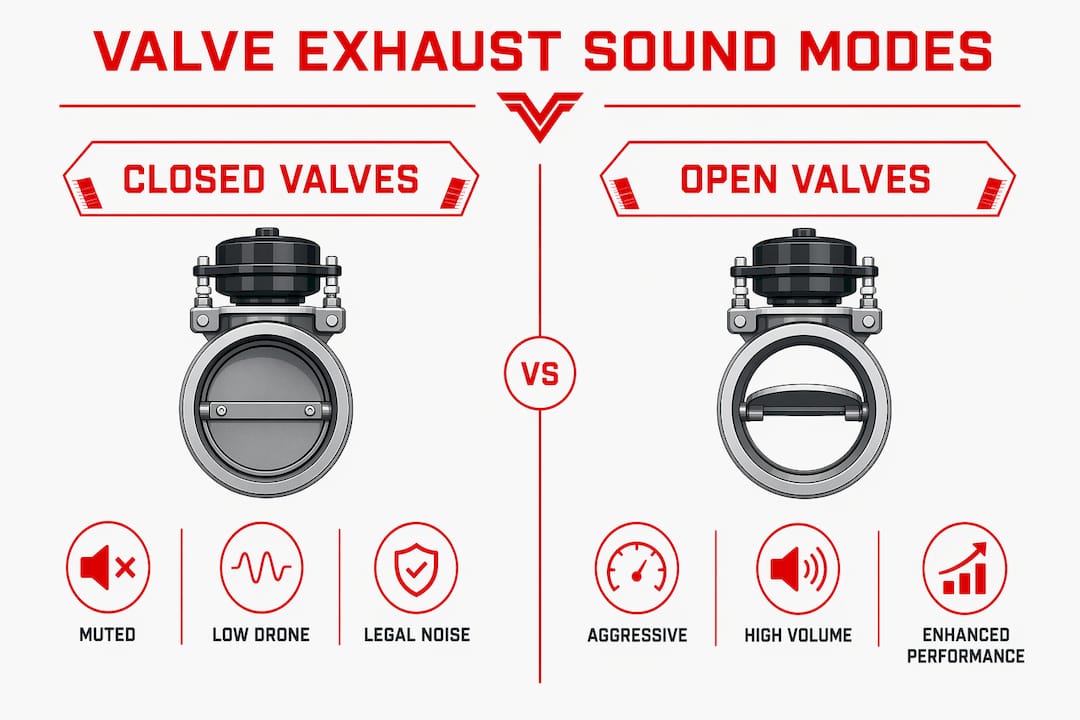
The core mechanism is simple. Electronically or vacuum-operated valves sit inside the exhaust piping and physically redirect gas flow depending on their position. When closed, gases travel through mufflers and sound-dampening chambers, producing a quieter cabin note. When open, gases bypass those chambers and exit through a more direct path, producing a louder, more aggressive tone.
The valve exhaust sound difference is not subtle. Valved systems shift from stock-level quietness to an aggressive tone on demand. That range is what separates a valved system from a fixed aftermarket pipe, which locks you into one sound profile regardless of conditions.

Backpressure is the other variable. Open valves reduce restriction in the exhaust path. Lower backpressure means exhaust gases exit faster, which improves throttle response and can increase power output at higher RPMs. Closed valves restore some restriction, which actually helps low-end torque on certain engine configurations.
Pro Tip: If your car uses a vacuum-operated valve system, check the vacuum lines during every service interval. A cracked line causes the valve to default to one position, eliminating your sound control entirely.
Key behaviors to know about valve operation:
- Closed at idle and cruise: Gases route through mufflers, keeping cabin noise low and neighbors happy.
- Open under hard acceleration: Bypass path activates, delivering the full exhaust note into the cabin and outside.
- Cold start behavior: Many systems default to closed for the first few minutes to reduce noise during warm-up.
- Electronic vs. vacuum actuation: Electronic systems respond faster and hold position more reliably across temperature changes.
Does a valve exhaust reduce cabin drone?
Cabin drone is defined as a low-frequency resonance, typically in the 30–80 Hz range, that occurs when exhaust sound waves match the resonant frequency of the vehicle cabin. The cabin acts like a tuning fork. When the exhaust frequency hits the right note, the whole interior vibrates. This is the single biggest complaint from enthusiasts who install fixed aftermarket exhausts and then try to use the car daily.
Valved systems address drone directly. With valves closed at highway cruise speeds, gases pass through mufflers and chambered resonators that use destructive interference to cancel out those problematic low frequencies. Chambered mufflers and resonators reduce drone by creating opposing sound waves that neutralize each other before they reach the cabin. The physics works in your favor when the system is properly tuned.
Non-valved performance exhausts produce a constant sound profile that can become fatiguing on long drives. There is no off switch. Valved systems give you that off switch without sacrificing the aggressive note when you actually want it.
Pro Tip: Add Dynamat or a comparable sound-deadening material to the trunk floor and rear seat panel. Soundproofing materials like Dynamat can cut interior noise by up to 10 decibels without changing what the exhaust sounds like from outside the car.
| Driving condition | Valve position | Cabin experience |
|---|---|---|
| Cold start | Closed | Quiet, muffled note |
| City cruising | Closed | Near-stock interior noise |
| Highway cruise | Closed | Drone suppressed, comfortable |
| Hard acceleration | Open | Full aggressive exhaust note |
| Track driving | Open | Maximum volume and response |
The table above shows why the impact of exhaust on cabin acoustics is so different with a valved system. The same car, the same exhaust, produces two completely different interior experiences depending on valve position.
Can exhaust valves change sound based on driving mode?
The short answer is yes, and the control methods have become genuinely sophisticated. Valve systems let drivers switch sound levels on demand through buttons, key fob remotes, or smartphone apps connected to the valve controller. Each method triggers the same physical result: the valve opens or closes. The difference is in how quickly and conveniently you can make that call.
Driving mode integration takes this further. On vehicles like BMW M cars and Lamborghini models, the exhaust valve behavior ties directly into the drive mode selector. Sport mode opens the valves. Comfort mode closes them. This means the valve behavior shifts automatically between street and track conditions without the driver touching a separate control.
The practical benefits for mixed-use driving are real:
- Neighborhood and city driving: Closed valves keep the exhaust note civil. You avoid noise complaints and stay within local ordinances.
- Highway cruising: Closed valves eliminate the drone that would otherwise build over a two-hour drive.
- On-ramp and spirited driving: Open valves deliver the sound and feel that made you buy a performance car in the first place.
- Track days: Full open valve position maximizes exhaust flow and gives you the acoustic feedback that helps you read engine load.
Emissions and noise regulations are worth noting here. Closed-valve operation keeps sound output within legal limits in most jurisdictions. Open-valve operation on public roads may exceed local noise ordinances in some areas. Knowing your local rules before driving with valves open is straightforward common sense.
How to fix cabin resonance issues in a valve exhaust system
Poor installation is the leading cause of resonance problems in valved exhaust systems. A valve that does not seat properly, or piping that contacts the chassis, creates vibration paths that no amount of valve logic can fix. Improper installation or poor-quality valves cause resonance and drone even when the valve is in the closed position. The valve closes, but the physical vibration still transmits through the mounting points.
Experienced owners recommend a systematic approach to diagnosing and fixing these issues:
- Inspect all mounting hardware. Loose hangers and brackets transmit vibration directly into the body. Tighten or replace worn rubber isolators before anything else.
- Check valve seating. A valve that does not close fully allows partial gas bypass, which creates turbulence and noise at specific RPM ranges. Have a shop verify full closure with a smoke test.
- Install frequency-targeted resonators. High-quality resonators tuned to 30–80 Hz address the specific frequencies most likely to cause cabin resonance. Generic resonators may not target the right range for your engine.
- Add cabin sound deadening. Dynamat on the trunk floor and rear firewall reduces the cabin’s ability to amplify exhaust frequencies that do make it through.
- Review pipe diameter. Performance exhausts with larger diameter pipes increase exhaust velocity but can also increase drone without proper tuning. If resonance appeared after an upgrade, pipe sizing may be the cause.
Maintenance matters too. Valve actuators, whether electronic or vacuum-operated, wear over time. A valve that sticks partially open during cruise creates exactly the drone profile you installed the system to avoid. Annual inspection of actuator function and valve seating keeps the system performing as designed. Valvecontrolexhaust recommends pairing any exhaust valve system with professional installation to avoid these issues from day one.
Key Takeaways
Valve exhaust systems give performance vehicle owners direct control over cabin acoustics by physically rerouting exhaust gases, which eliminates drone during cruising and delivers aggressive sound on demand.
| Point | Details |
|---|---|
| Valve position controls cabin sound | Closed valves route gases through mufflers for quiet; open valves bypass them for aggressive tone. |
| Drone occurs at 30–80 Hz | Closed valves and chambered resonators use destructive interference to suppress these frequencies. |
| Soundproofing adds up to 10 dB reduction | Dynamat on trunk and rear panels cuts interior noise without changing external exhaust sound. |
| Installation quality determines results | Poor valve seating or loose hangers cause resonance that valve logic alone cannot fix. |
| Drive mode integration automates control | Sport and comfort modes on many performance vehicles open and close valves automatically. |
Why valve exhausts are the only sensible choice for daily performance driving
I have spent years around performance exhausts on cars ranging from BMW M3s to Lamborghini Huracáns, and the pattern is always the same. Enthusiasts install a fixed aftermarket system, love it for the first two weeks, then quietly start dreading the commute. The drone at 70 mph is not exciting. It is tiring. By month three, some of them are looking at ways to quiet the car back down.
Valved systems solve this without compromise, and that is not marketing language. It is the mechanical reality of having two sound paths available. The quiet cruising mode is genuinely quiet. The open mode is genuinely loud. The gap between those two states is what makes the loud mode feel special rather than just constant.
What I have also noticed is that driver fatigue drops significantly when drone is controlled. A two-hour highway run in a car with a well-tuned valved system feels different from the same drive in a car with a fixed loud exhaust. You arrive less worn out. That matters if you are driving a performance car as your daily vehicle, not just a weekend toy.
My advice for anyone choosing a valved system: do not cut corners on installation or resonator quality. The valve does the heavy lifting, but the resonators and mounting hardware determine whether the system actually delivers on its promise. A great valve in a poorly installed system still drones.
— Info
Valvecontrolexhaust: built for drivers who want both worlds
Valvecontrolexhaust specializes in electronically controlled exhaust valve systems for high-performance vehicles including Audi, BMW, Ferrari, and Lamborghini. Every system is designed to give you real-time sound control without sacrificing the performance characteristics that make these cars worth driving.

The performance exhaust buyer’s guide on the Valvecontrolexhaust website covers system comparisons, compatibility details, and installation considerations across the full range of valved exhaust options. If you want to understand exactly which system fits your vehicle and driving style, the valved system analysis breaks down the technical differences in plain terms. Valvecontrolexhaust builds systems for drivers who want the aggressive sound when they ask for it and the quiet cabin when they need it.
FAQ
How does a valve exhaust change cabin sound?
A valve exhaust changes cabin sound by physically rerouting exhaust gases. Closed valves send gases through mufflers for a quiet cabin; open valves bypass mufflers for a louder, more aggressive note.
What causes cabin drone in a performance exhaust?
Cabin drone occurs when exhaust sound waves match the resonant frequency of the vehicle cabin, typically in the 30–80 Hz range. Chambered mufflers and properly tuned resonators use destructive interference to suppress these frequencies.
Can I control valve exhaust sound from inside the car?
Yes. Most valved exhaust systems offer control via a dashboard button, key fob remote, or smartphone app. On many performance vehicles, the drive mode selector also opens and closes the valves automatically.
Does opening exhaust valves improve engine performance?
Open valves reduce backpressure in the exhaust path, which improves throttle response and can increase power output at higher RPMs. Closed valves restore some backpressure, which benefits low-end torque on certain engines.
Why does my valved exhaust still drone with the valves closed?
Drone with closed valves usually points to a valve that is not seating fully, loose mounting hardware transmitting vibration, or pipes that contact the chassis. Installing frequency-targeted resonators and checking valve seating resolves most cases.