
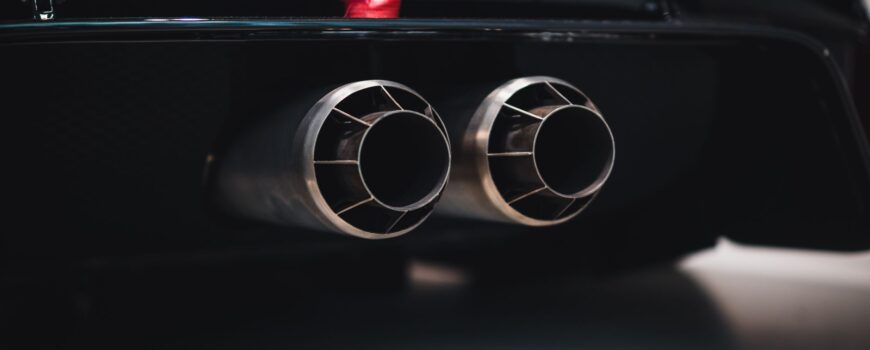
Choosing the right performance exhaust is as much an engineering decision as an aesthetic one, and IPE Exhaust often sets the tone for what enthusiasts expect: a blend of aggressive sound, valve control, and polished craftsmanship. If you care about throttle response, backpressure characteristics, and the legal nuances of aftermarket systems, the following comparative critique will narrow the field quickly and precisely.
IPE Exhaust — Sonic character and valve strategy
IPE Exhaust is notable for its deep, cinematic tones and comprehensive valvetronic systems that emphasize sound on demand. The build quality generally favors hand-finished tips and multi-chamber mufflers, which translates to a rich mid-range sound without excessive drone at cruising speeds.
However, IPE setups can be heavy compared with titanium alternatives, and fitment complexity sometimes mandates professional installation. Therefore, consider whether acoustic preference or mass savings drives your decision.
FI Exhaust — Cost-effective performance and practical gains
FI Exhaust targets a pragmatic buyer: improved flow, modest weight reduction, and a sportier note without theatrical volume. Its engineering leans toward stainless steel construction and bolt-on practicality, which keeps costs competitive and reliability high.
On the other hand, FI rarely matches boutique brands for sonic refinement or weight savings. Consequently, FI is best for drivers wanting tangible performance gains with minimal fuss or aftermarket headaches.
Armytrix Exhaust — Tunable aggression and branding
Armytrix Exhaust is synonymous with aggressive tuning and a pronounced valve-based personality; its systems produce sharp, attention-grabbing pops and crackles when tuned aggressively. The company focuses on customizable voice control, giving owners granular command of the exhaust behavior.
Nevertheless, this comes at the cost of potential legal scrutiny in noise-regulated regions and sometimes a coarse low-end tone that can introduce cabin drone. Thus, Armytrix is ideal for track-focused builds or owners who prioritize showmanship over subtlety.
Akrapovic Exhaust — Benchmark durability and weight savings
Akrapovic Exhaust is often treated as the industry benchmark for materials science: premium titanium offerings, meticulous welds, and substantial weight reductions distinguish the brand. These traits improve handling and performance while delivering a polished, high-fidelity sound profile that scales with engine displacement.
Yet, the premium price is a barrier for many, and the sonic signature tends to be more refined than raw—perfect for buyers seeking engineering excellence and minimal compromise. Therefore, Akrapovic suits performance purists with budgets to match.
Valvetronic Exhaust — Precision control and electronic integration
Valvetronic Exhaust systems emphasize intelligent valve control and seamless electronic integration, offering automated and user-defined sound modes. This approach minimizes unwanted drone while giving drivers on-demand character, often via mobile apps or ECU interfacing.
Still, the complexity of electronic valving elevates potential failure modes and increases installation complexity. For this reason, Valvetronic solutions are best for tech-forward owners who prioritize convenience and customization over simplicity.
Ryft Exhaust — Boutique innovation and niche appeal
Ryft Exhaust represents a smaller, boutique approach: experimental designs, distinctive tip aesthetics, and targeted sound engineering. The brand is adept at creating unique acoustic identities and often embraces limited runs or model-specific tuning.
However, with that niche appeal comes variability in fitment and support compared to larger manufacturers. Consequently, Ryft is attractive to enthusiasts seeking individuality and are willing to navigate bespoke installation considerations.
Comparative analysis: materials, sound, and real-world trade-offs
Across these brands, three decisive variables recur: materials (stainless steel vs. titanium), valving strategy (fixed vs. valvetronic), and acoustic philosophy (refined vs. aggressive). Akrapovic typically wins on materials and weight; IPE and Armytrix emphasize cinematic and aggressive sound respectively; Valvetronic and Ryft sell customization and uniqueness; FI covers the practical middle ground.
When choosing, weigh daily drivability, legal compliance, installation complexity, and resale implications. Moreover, verify dyno-tested gains where available and insist on a credible warranty to mitigate long-term risks.
Actionable checklist before purchasing an aftermarket exhaust
First, identify your primary goal: sound, power, weight, or aesthetics. Second, confirm compatibility with your vehicle’s emissions and noise regulations to avoid fines or failed inspections.
Third, require performance data—measured horsepower/tq gains and backpressure charts—rather than marketing claims. Finally, select a reputable installer who can tinker with valve calibration to match your real-world use.
Closing strategy for discerning buyers
Choosing between IPE Exhaust, FI Exhaust, Armytrix Exhaust, Akrapovic Exhaust, Valvetronic Exhaust, and Ryft Exhaust is ultimately a prioritization problem: decide whether you want theatrical presence, engineering purity, or pragmatic performance. Start with sound samples and technical specs, then validate with dyno runs and professional installation quotes.
Armed with that approach, you’ll reduce buyer’s remorse and optimize the trade-offs between noise, performance, and durability—resulting in an exhaust choice that meets both your technical requirements and emotional expectations.