
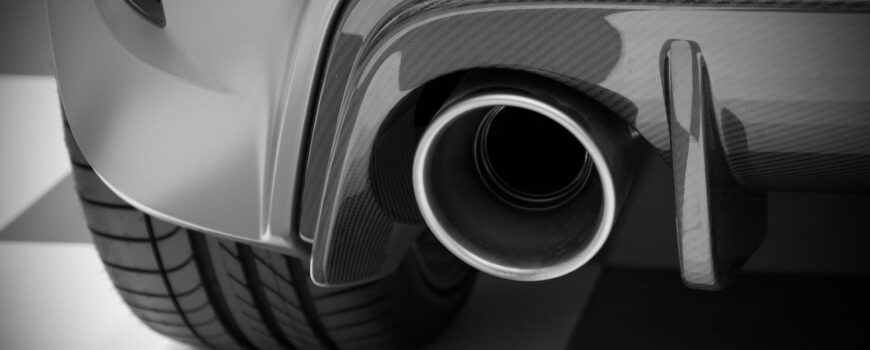
IPE Exhaust systems have carved a niche in the high-end aftermarket market, but how do they stack up against FI Exhaust, Armytrix Exhaust, Akrapovic Exhaust, Valvetronic Exhaust, and Ryft Exhaust in measurable terms? This analysis cuts through marketing claims to evaluate design, materials, acoustics, and real-world performance so you can make an informed selection.
IPE Exhaust: build quality, acoustics, and real-world calibration
IPE Exhaust stands out for its bespoke finishes and attention to sound tailoring. The brand uses multi-chamber mufflers and valved systems to produce a deep, aggressive tone without excessive drone at cruising speeds.
From a critical perspective, the value rests on acoustic tuning versus outright weight savings. If you want a distinct, branded sound signature and high-quality tips, IPE delivers, but expect a premium price for refinement rather than raw performance gain.
FI Exhaust and Ryft Exhaust: materials, flow dynamics, and affordability
FI Exhaust typically focuses on aggressive flow paths and lighter construction, often using stainless and T304 alloys to balance durability and cost. By contrast, Ryft Exhaust gravitates toward modular designs that prioritize ease of fitment and tunable valving.
Technically speaking, flow efficiency is a product of internal diameter, bends, and muffler packing. Both FI and Ryft offer competitive backpressure reductions, but Ryft tends to emphasize user-friendly customization while FI pushes for maximum exhaust throughput at race-oriented rpm ranges.
Transitional note: comparing performance metrics
When moving from materials to dyno figures, consider that horsepower gains will vary by application and ECU tuning. Evaluate measured torque curves rather than peak horsepower to see daily-drive benefits.
Armytrix Exhaust versus Akrapovic Exhaust: valves, titanium options, and tuning philosophy
Armytrix Exhaust is known for electronically controlled valvetronic systems that change sound and flow on demand. Their emphasis is on dynamic experience: quiet cruising, loud open-throttle bursts, and smartphone integration on some models.
Akrapovic Exhaust adopts a purist performance stance with extensive use of titanium and carbon fiber. The brand prioritizes weight reduction and race-bred acoustics, typically offering a more organic roar without as much active valving complexity.
Therefore, the decision often comes down to philosophy. Choose Armytrix if you value versatility and electronic control. Choose Akrapovic if you seek the lightest package and a race-derived sonic character.
Practical considerations for valved systems
Valvetronic Exhaust systems alter backpressure and acoustic output dynamically, which is beneficial for drivability. However, added complexity increases potential failure points and service costs.
For a critical buyer, weigh the trade-off between daily comfort and long-term maintenance. Simpler straight-through designs typically require less upkeep and offer predictable flow characteristics.
Valvetronic Exhaust performance: when variable geometry makes sense
Valvetronic Exhaust solutions are effective at minimizing drone while maximizing peak sound. Their engineering success depends on actuator response, valve sizing, and integration with vehicle electronics.
From a measurable standpoint, valved systems can tune midrange torque and transient response, but they rarely outgain a well-matched non-valved high-flow system on the racetrack. Consider valvetronic for road cars that need both civility and emotional impact.
Comparative metrics: noise, weight, and dyno-proven gains
Across these brands, expect a spectrum: Akrapovic leans toward the lightest and most race-focused, Armytrix emphasizes electronic versatility, IPE provides branded acoustic refinement, FI targets aggressive flow, Ryft centers on modularity, and Valvetronic manufacturers prioritize variable exhaust geometry.
Look for independent dyno graphs and in-vehicle sound measurements. Objective metrics like A-weighted sound levels at 2,000 and 4,000 rpm, delta weight relative to stock, and measured torque retention at low rpm deliver the most actionable insight.
Transitional phrase: narrowing selection criteria
Select based on use case: street-oriented drivers should prioritize drone metrics and tune compatibility, while track-focused users should prioritize weight and steady-state flow. Budget, fitment complexity, and warranty support also factor heavily.
To conclude the analysis with practical steps, get three things before purchase: independent dyno tests for your chassis, sound clips recorded in-car at cruising and full-throttle, and a list of required ECU or ECU-adjacent modifications. Book a test fit where possible and insist on a documented return policy or installation warranty. These measures will help you choose between IPE Exhaust, FI Exhaust, Armytrix Exhaust, Akrapovic Exhaust, Valvetronic Exhaust, and Ryft Exhaust based on measurable performance rather than brand mythology.