
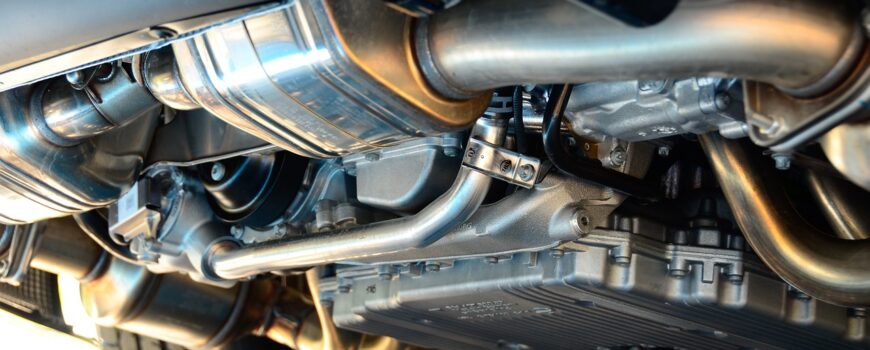
First impressions matter: the IPE Exhaust often promises cinematic sound and handcrafted polish, but does it deliver measurable gains or merely theatrical flair? This review cuts through marketing to evaluate performance, sound, materials, and usability across leading systems like FI Exhaust, Armytrix Exhaust, Akrapovic Exhaust, Valvetronic Exhaust, and Ryft Exhaust.
IPE Exhaust: what it actually adds to performance and sound
The IPE Exhaust is commonly praised for its deep, aggressive note and premium finish. Measured objectively, IPE often improves exhaust flow over stock systems, but the horsepower gains depend on the vehicle platform and whether accompanying tuning is applied.
Furthermore, the treatment of sound is engineered as much for drama as for efficiency. Resonance chambers and tuned piping produce a cinematic tone that can be intrusive at low rpm, so buyers should weigh subjective appeal against practical noise considerations.
Comparing FI Exhaust and Armytrix Exhaust: tuning, valves, and user control
FI Exhaust systems position themselves as direct-fit upgrades focused on balanced performance; they usually provide modest weight reduction and improved throttle response. In contrast, Armytrix Exhaust targets the enthusiast looking for remote-valve control, delivering a range from subtle to aggressive tones.
Moreover, Armytrix Exhaust’s valvetronic strategies allow on-the-fly changes in backpressure, which affects both sound and mid-range torque. However, complex valve electronics can introduce installation headaches and potential warranty conflicts, so technical compatibility matters.
Sound engineering: Valvetronic Exhaust mechanics and implications
Valvetronic Exhaust systems, whether OEM-style or aftermarket like Armytrix, rely on variable geometry to alter flow paths. This yields versatility, but compromises can appear: systems optimized for maximum volume may sacrifice low-end tractability.
Therefore, it is essential to test drive a car with the valves in both open and closed states to judge real-world drivability rather than judging solely on idle clips or static sound files.
Akrapovic Exhaust and Ryft Exhaust: materials, weight, and build quality
Akrapovic Exhaust has a reputation built on titanium construction and motorsport heritage. The result is consistent weight savings and thermal performance. Acoustic calibration tends to be refined, favoring harmonic balance over sheer loudness.
By contrast, Ryft Exhaust positions itself around value and durable stainless steel designs; it may not shave as many pounds but often offers robust longevity at a lower price point. On the other hand, finish and fitment tolerances can vary between manufacturers, so attention to weld quality and flange alignment is crucial.
Materials comparison: titanium, stainless, and coated systems
Titanium delivers optimal weight-to-strength ratios but comes at a premium. Stainless steel is heavier but more affordable and resistant to road salt. Coated systems try to balance aesthetics and thermal shielding but can hide underlying weld quality issues.
Consequently, selecting a system requires prioritizing: sound character, weight reduction, or corrosion resistance. No single material dominates all categories.
FI Exhaust analytics: dyno numbers, emissions, and legal realities
When assessing FI Exhaust and similar options, dyno testing is non-negotiable. Many systems produce peak gains at high rpm while providing negligible mid-range gains that most drivers experience daily. Look for torque curves, not only peak horsepower figures.
Additionally, emissions compliance and local noise regulations must guide purchase decisions. Some high-performance systems breach legal decibel limits or alter catalytic converter routing, which can invalidate inspections and create costly fix-ups.
Fitment and installation: practical barriers to performance
Fitment issues are surprisingly common with aftermarket exhausts. Even premium brands occasionally require minor modifications or adapter parts. Professional installation reduces risk, particularly for systems involving electronic valving or ECU integration.
Therefore, budget realistically for installation, and confirm whether the supplier offers vehicle-specific brackets or fitting kits to avoid surprises.
Ultimately, choosing between IPE Exhaust, FI Exhaust, Armytrix Exhaust, Akrapovic Exhaust, Valvetronic Exhaust, and Ryft Exhaust is an exercise in prioritization: prefer Akrapovic for lightweight refinement, Armytrix and Valvetronic solutions for sonic flexibility, IPE for theatrical presence, FI for balanced upgrades, and Ryft for cost-effective durability. To act on this analysis, request dyno charts, inspect materials in person, verify legal compliance, and arrange a demo or sound sample on your specific vehicle—these steps will translate critique into a confident buying decision.