
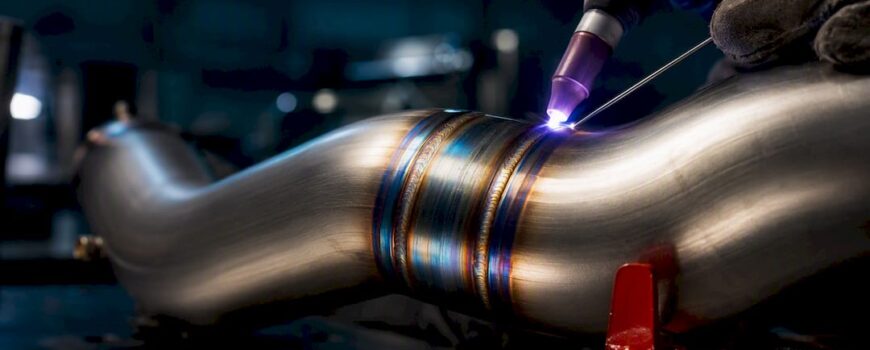
A titanium exhaust typically ranges from hundreds of dollars for a single tip or muffler, around a few thousand dollars for a mid-tier cat-back system, and several thousand dollars for a full titanium exhaust with valve control. The premium makes sense if you’re chasing lap times, shaving curb weight, or building a show car. For a daily driver, stainless steel usually delivers more value per dollar.
TL;DR:
- Titanium exhaust systems are significantly more expensive than stainless steel, often costing 2.5 to 4 times as much, especially for full systems with valve control.
- Fabrication costs are driven by the need for specialized TIG welding and limited qualified welders, making custom work and scope a key factor in pricing.
- High-end systems for exotic cars or with active valve control can exceed $8,000, while basic tips and small components start in the low hundreds of dollars.
- For daily drivers in salt-heavy climates, stainless steel offers a more practical value, as titanium’s weight savings and corrosion resistance are less critical.
- Additional costs for labor, tuning, adapters, and electronics can add hundreds to thousands of dollars beyond parts alone.
Table of Contents
- What Drives Titanium Exhaust Cost?
- How Much Do Titanium Exhaust Systems Actually Cost?
- Titanium vs Stainless Steel: Is the Cost Multiplier Worth It?
- What Else Should You Budget Beyond the Parts?
- Is Titanium Worth the Cost for Your Build?
- What Valve Control Exhaust Sees in Real Titanium Builds
- Get a Real Titanium Quote for Your Car
- Sources
- FAQ
What Drives Titanium Exhaust Cost?
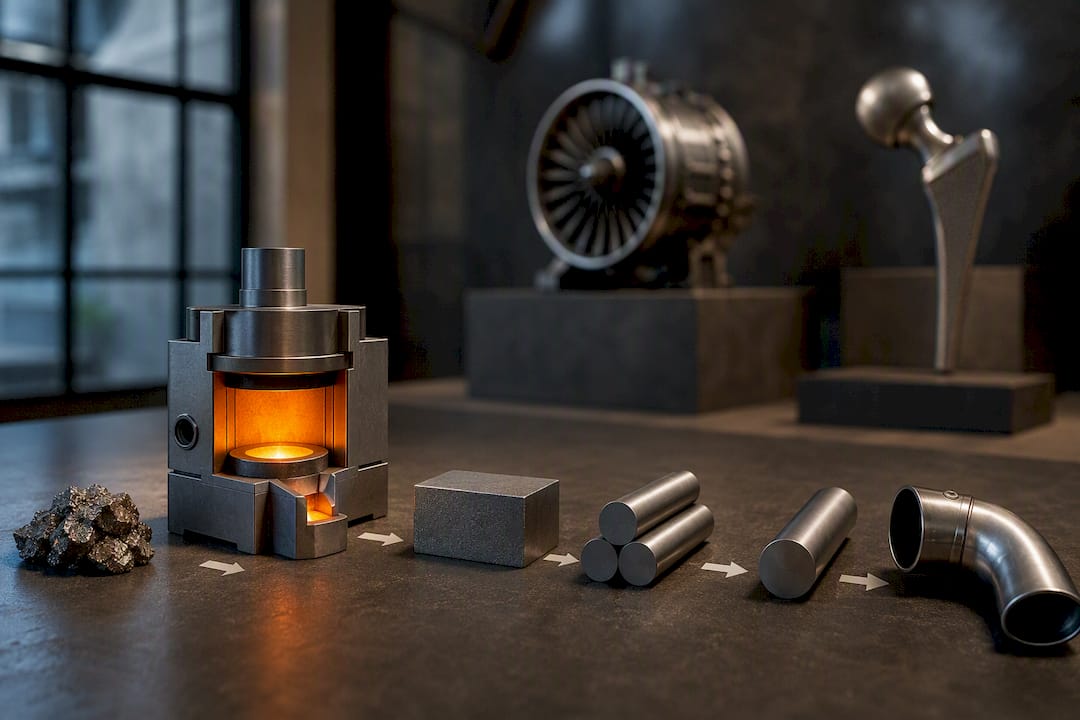
Raw material is the obvious starting point, but it’s rarely the biggest line item on your invoice. Titanium ore processing is energy-intensive and the metal itself trades at a premium tied to aerospace and medical-device demand, so even a small price swing in that market ripples into exhaust component pricing.
Fabrication is where the real cost stacks up. Titanium can’t be welded like stainless steel. It requires TIG welding with an argon back-purge to keep oxygen away from the weld pool, because contaminated titanium welds turn brittle and crack under heat cycling. That process is slower, and it chews through tooling faster than mild fabrication work does. Fewer welders are qualified to do it well, and that scarcity shows up directly in your quote.
Scope matters just as much as material. A tip-only upgrade and a full system with headers are two completely different jobs.
- System scope: tip-only and axle-back kits cost far less than cat-back or full header-to-tip systems.
- Vehicle-specific engineering: a system built to clear a specific chassis, subframe, and heat shield needs custom mandrel bends, not off-the-shelf tubing.
- Valved components: electronic actuators, wiring harnesses, and a controller add both parts cost and labor.
- Shipping and scarcity: titanium tubing and flanges often ship from a handful of specialist suppliers, and freight on a heavy crate isn’t cheap.
Pro Tip: Ask any shop quoting you a titanium system whether the price includes a controller and actuators if you want valve function. Some listings quote the pipe only, and the electronics can add several hundred dollars once you add them.
How Much Do Titanium Exhaust Systems Actually Cost?
Real-world pricing splits into a few clear tiers, and knowing which one you’re shopping in helps you spot a fair quote from an inflated one.
- Entry-level parts and tips. Standalone tips, mufflers, and small components typically list from the low hundreds up through several hundred dollars, based on retail listings for titanium exhaust kits.
- Mid-tier cat-back and axle-back systems. These commonly land between $1,500 and $3,500, depending on brand and whether the system includes valving.
- High-end full systems. Complete titanium exhausts with headers, mid-pipes, and valve control run $3,500 to $8,000 or more, with vendor examples showing full-system prices commonly in the $3,000 to $6,000 range for many performance cars before you factor in premium brand names.
- Exotic and brand-name systems. Systems for supercars, or those built by boutique fabricators, regularly push past $8,000, especially with active valve control and custom finishing.
Vehicle class shifts these numbers meaningfully. A motorcycle system sits at the low end of entry or mid-tier pricing, a compact sports car lands in mid-tier to low high-end, and a supercar with a bespoke valved system routinely clears the high-end range. Custom bends for tight chassis clearance, optional ceramic or titanium-oxide coatings, and rush fabrication all push a quote upward from the baseline.
Titanium vs Stainless Steel: Is the Cost Multiplier Worth It?
Titanium typically costs 2.5 to 4 times more than an equivalent stainless steel system. If a stainless cat-back runs $1,000, expect $2,500 to $4,000 for a comparable titanium version doing the same job.
The trade you’re actually paying for: titanium is roughly 40% to 50% lighter than stainless steel, which typically saves 8 to 15 kg on a full system. That weight comes off the rear of the car, low and far from the center of mass, where it has an outsized effect on rotational inertia during hard cornering.
Beyond weight, the two materials behave differently once installed:
- Titanium resists heat discoloration better and tends to develop a straw or blue patina rather than rust.
- Stainless steel is easier and cheaper to repair with any competent muffler shop, while titanium often needs a specialist welder.
- Titanium’s sound character trends slightly higher-pitched and less deep than stainless, though valved systems narrow that gap.
- In corrosive, salt-heavy climates, stainless steel’s practical durability edge closes some of the performance gap titanium offers on paper.
If your car sits in daily traffic and never sees a track, stainless steel is very often the smarter dollar-for-dollar choice.
What Else Should You Budget Beyond the Parts?
Parts pricing is only half the number you should plan for. Labor and support parts add up fast, and they’re where a lot of buyers get caught off guard.
- Shop labor: a straight cat-back or axle-back swap typically runs 1 to 3 hours; a full header-back install with fitment work can run 4 to 8 hours.
- Small parts: gaskets, new hangers, and oxygen sensor extensions commonly add $50 to $200.
- Header or mid-pipe adapters: needed when mixing brands or generations, and can add $100 to $400.
- ECU tuning or a dyno session: often needed after changing backpressure with headers, typically $200 to $600.
- Specialist welder premiums: expect a surcharge on top of standard labor rates for titanium-specific repair or fitment work.
Pro Tip: Budget the tune before you budget the exhaust. A header swap without a corresponding ECU adjustment can leave real performance on the table, or trigger a check-engine light from lean fuel trims.
Is Titanium Worth the Cost for Your Build?
Score your own situation before you spend. The right material depends less on the exhaust itself and more on what you’re actually trying to accomplish with your car.
- Track-focused drivers: weight savings translate into measurable lap-time gains, and titanium’s premium is easiest to justify here.
- Weight-conscious show builds: titanium’s finish and lightness carry real value even without a lap timer involved.
- Performance-minded daily drivers: consider whether the budget is better spent on tires or suspension, which often deliver more grip and response per dollar than exhaust weight savings alone.
- Budget prioritizers: a quality stainless system with a valve controller gets you most of the sound and character titanium offers, for meaningfully less money.
If resale value or a track record matters to you, titanium tends to pay back more of its premium. If you just want your car to sound better on the way to work, stainless is the more rational buy, and you can read more on how material choice affects sound and performance before deciding.
What Valve Control Exhaust Sees in Real Titanium Builds
Working with valved titanium systems for high-performance European and luxury cars, we consistently see improved engine response and far more precise sound customization than a static exhaust can offer. The most common mistake we field isn’t budget shock. It’s buyers matching the wrong material to their actual goal, chasing titanium for a car that’s parked in traffic five days a week rather than on track.
— Info
Get a Real Titanium Quote for Your Car
There are vendors that build customizable valved exhaust systems, downpipes, and titanium components fitted specifically to various luxury and performance vehicle platforms rather than sold as one-size-fits-all kits.

Some premium exhaust systems offer remote electronic valve control paired with expert, vehicle-specific fitment, allowing adjustment of sound and backpressure characteristics on demand instead of locking into one setup for the life of the exhaust. Start by reviewing exhaust component anatomy and fitment details to see how the pieces fit your specific build, then request a quote for your vehicle and drivetrain.
Sources
- Titanium vs Stainless Steel Exhaust: Which Material Wins in 2026 – DAPU Metal Materials
- Titanium Exhaust Explained: Why It’s Worth It?
- Titanium Car & Truck Exhaust System Kits for sale
FAQ
Is a Titanium Exhaust Expensive?
Yes, relative to stainless steel it typically costs 2.5 to 4 times more, though entry-level titanium tips and components can start in the low hundreds of dollars.
How Much Is a Full Titanium Exhaust System?
A full titanium exhaust with headers and valve control typically costs $3,500 to $8,000 or more, while many vendor examples for performance cars fall between $3,000 and $6,000.
How Long Will a Titanium Exhaust Last?
Titanium resists corrosion better than stainless steel and can last well beyond a decade of regular driving, though it needs a specialist welder if it’s ever damaged or cracked.
How Much Does a Titanium Pipe Cost?
A standalone titanium pipe, tip, or small component typically runs from the low hundreds up to a few hundred dollars depending on diameter and finish.