
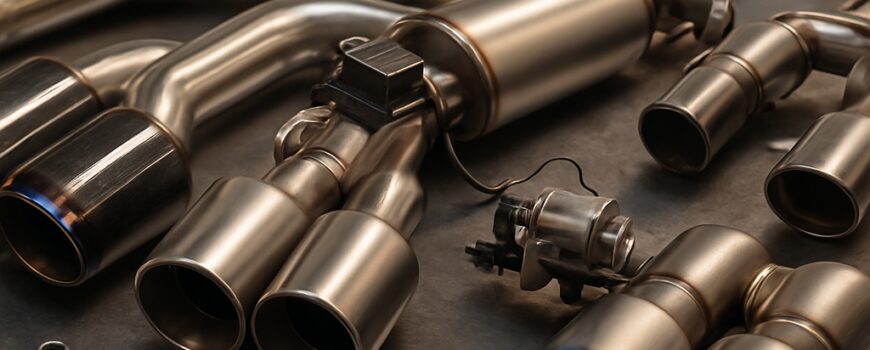
Tag: performance exhausts

on

Few bolt-on upgrades alter a car’s character like an IPE Exhaust; it shifts the auditory and performance profile instantly. If you want a frank, evidence-driven breakdown of how top valved and performance systems stack up, this analysis isolates sound, build, fitment, and measurable gains across FI Exhaust, Armytrix Exhaust, Akrapovic Exhaust, Valvetronic Exhaust, and Ryft Exhaust options.

IPE Exhaust: sound signature and engineering realities

IPE systems are engineered for theatrical low-end presence and a pronounced mid-range bark. Measured objectively, their valvetronic tuning leans toward aggressive resonance rather than subtle harmonic refinement.

Practically speaking, that means more cabin intrusions at cruising RPMs and a distinct boost in perceived loudness. If your priority is a statement exhaust with pronounced burble and throaty pops, IPE delivers; if you want clinical refinement, expect trade-offs.

FI Exhaust and its performance trade-offs

FI Exhaust designs emphasize flow optimization and modular components. Their architecture favors lower backpressure and incremental horsepower gains on high-rev engines.

However, FI systems sometimes sacrifice mid-range torque for top-end power, depending on pipe diameter and muffler packing. Consequently, tuning strategy and ECU adaptations are essential to realize advertised gains.

Armytrix Exhaust: valved dynamics under scrutiny

Armytrix specializes in electronically actuated valves and aggressive sound profiles. The systems are versatile—switchable between stealth and full-throat modes—but their loudest calibrations can create persistent drone at steady throttle positions.

From a build perspective, Armytrix uses robust stainless alloys and offers precise valve actuation. Nevertheless, real-world installation shows variance in fitment tolerance across different chassis, so expect potential fabrication or adapter needs.

Akrapovic Exhaust: materials, weight, and measurable gains

Akrapovic remains the benchmark for lightweight construction and acoustic tuning. Titanium options deliver tangible weight savings and a cleaner harmonic spectrum without harsh overtones.

On a dyno, Akrapovic frequently demonstrates consistent gains across the rev range and a driver-friendly resonance profile. The premium price reflects material choice and engineering rigor rather than theatrics.

Valvetronic Exhaust: control and customization

Valvetronic systems provide granular valve behavior and often integrate with OEM electronics. This control allows for tailored aggression levels without unnatural transitions between open and closed states.

That said, integration complexity is higher. Expect additional software work and occasional calibration to avoid limp-mode triggers or erratic idle behavior, especially on newer ECUs.

Ryft Exhaust: niche strengths and practical compromises

Ryft focuses on balance—acceptable sound levels with respectable flow. Their systems often target enthusiasts seeking durability and a sporty note without excessive cabin drone.

Ryft’s appeal is cost-to-value for drivers prioritizing consistency and lower maintenance. The trade-off is that Ryft rarely produces the extreme sonic character of IPE or Armytrix at full open-valve settings.

Comparative metrics: sound, weight, and horsepower

When evaluated side-by-side, sound profiles vary from Akrapovic’s harmonic precision to IPE’s theatrical presence. Weight reduction is most significant with titanium Akrapovic options, while stainless systems like Armytrix or FI offer robustness at lower cost.

Carefully read dyno charts: peak horsepower can be similar among top systems, but torque curves and transient response reveal real driving differences. Small gains on paper can translate to pronounced on-road behavior depending on gearing and turbo lag.

Fitment, warranty, and compliance considerations

Fitment tolerance and bumper clearance are common pain points. Armytrix and Ryft sometimes require vehicle-specific adapters; Akrapovic typically provides better OEM-fit options. Warranty and emissions compliance differ by brand and region, so check local regulations before purchase.

Moreover, aftermarket systems that alter backpressure can necessitate remapping. Factor ECU tuning and potential catalytic converter issues into total cost of ownership.

How to choose: a practical decision framework

First, define priorities: sound charisma, weight savings, raw flow, or integrated control. Next, listen to side-by-side recordings in a similar vehicle platform—real acoustic samples reveal more than specifications.

Additionally, request dyno sheets from your vendor, inspect construction material and flange quality, and confirm warranty coverage. Finally, budget for ECU calibration and potential fitment adjustments.

Ultimately, selecting between an IPE Exhaust, FI Exhaust, Armytrix Exhaust, Akrapovic Exhaust, Valvetronic Exhaust, or Ryft Exhaust is about aligning engineering trade-offs with your driving priorities. Use targeted listening tests, dyno evidence, and fitment checks as your primary selectors, and budget for installation and tuning to secure the engineered performance you expect.

on

A single aftermarket component can redefine a car’s personality: the IPE Exhaust often promises theatrical sound, bespoke fitment, and perceived status—yet not every driver benefits equally. This analysis cuts through marketing to examine where IPE and its competitors actually deliver, using measurable criteria rather than slogans.

IPE Exhaust: Sound, Build, and Practicality

First, address what most buyers want: sound. IPE exhausts produce a characterful, resonant tone that favors a low, muscular bark at cruise and an aggressive bark on throttle. That said, acoustic appeal varies by model and suppression settings.

Moreover, build quality is generally high with multi-layered stainless construction, but fitment can be finicky on some chassis. Expect professional installation for optimum alignment and to prevent rattles.

Acoustic profile and street legality

IPE emphasizes presence over subtlety; the result is a system that can be exhilarating on open roads yet conspicuous in dense urban environments. Consequently, check local noise and emissions rules before purchase.

Materials and longevity

High-grade stainless and ceramic coatings are common, though warranty terms and corrosion resistance differ across markets. Inspect weld quality and finish as a proxy for long-term value.

FI Exhaust: Measured Gains Versus Perception

FI Exhaust systems sell on performance claims. Objectively, many FI kits yield modest horsepower improvements when paired with proper tuning. However, the variance in real-world gains is significant depending on engine and ancillary mods.

Importantly, FI tends to be pragmatic with sound—refined, but not extreme—making it suitable for buyers prioritizing balance over theatrics.

Tuning and compatibility

FI’s systems are often plug-and-play but benefit from ECU calibration. Therefore, allow budget for mapping to secure claimed gains and avoid check-engine triggers.

Armytrix Exhaust: Valve Control and Performance Dynamics

Armytrix emphasizes active valve technology to offer variable sound and flow. This approach provides flexibility: quiet cruising or a full-throat soundtrack on demand.

Nevertheless, the added electronics introduce failure modes—actuators, wiring, and control modules—that warrant inspection, particularly on high-mileage cars.

Reliability trade-offs

Valved systems add complexity; thus, they require more meticulous installation and occasional calibration. Choose Armytrix if you value on‑the‑fly control and accept incremental maintenance risk.

Akrapovic Exhaust: Weight Savings and Craftsmanship

Akrapovic prioritizes materials engineering—titanium and carbon fiber are standard on top-tier offerings. The payoff is clear: meaningful weight reduction and race-derived refinement.

Acoustically, Akrapovic leans toward clean, high-frequency tones rather than table‑shaking bass. That distinction matters if you want track composure over boulevard drama.

Performance edge

The combination of reduced rotating mass and optimized back-pressure often translates to tangible lap-time improvements. However, cost per pound saved is high; weigh budget against objectives.

Valvetronic Exhaust: Integration and Driveability

Valvetronic designs focus on integration with OEM systems, aiming for factory-like driveability and seamless valve behavior. This philosophy suits owners who want an upgraded voice without sacrificing refinement.

Integration benefits include preserved cold-start behavior and smoother transitions, though peak sound levels may be lower than stand-alone aftermarket units.

Electronics and control strategies

Valvetronic’s software-hardware pairing is a strength. Expect fewer drivability compromises and easier reinstatement to stock condition for resale.

Ryft Exhaust: Cost, Sound, and DIY Appeal

Ryft occupies the value segment with aggressive pricing and a focus on bang-for-buck. Sound tends to be louder for the price point, trading refinement for raw presence.

Additionally, Ryft kits often appeal to DIY installers; fit is generally straightforward but lacks the polish and long-term corrosion protection of premium competitors.

When to choose Ryft

Choose Ryft if budget is primary and you accept higher cabin drone and shorter service life. For the enthusiast who enjoys hands-on installs, Ryft represents a rapid route to audible change.

Comparative Metrics: Matching Exhausts to Priorities

Across these brands—IPE Exhaust, FI Exhaust, Armytrix Exhaust, Akrapovic Exhaust, Valvetronic Exhaust, and Ryft Exhaust—differences condense into several decision vectors: sound profile, durability, weight savings, electronic complexity, and cost.

Therefore, rank your priorities upfront. If track times matter, prioritize Akrapovic. If throttle drama and evening controllability matter, Armytrix or Valvetronic are preferable. For prestige sound with strong presence, IPE fits the bill. For practicality and modest gains, lean FI; for budget impact, consider Ryft.

Actionable steps to finalize your choice

Start by listening in person—clip-level comparisons on similar chassis are revealing. Next, verify warranty, emissions compliance, and required ECU work. Finally, budget for professional installation unless the kit explicitly supports straightforward DIY fitting.

Choosing an exhaust is less about brand worship and more about aligning technical trade-offs with real priorities: sound preference, performance targets, maintenance tolerance, and legal context. Take the time to audition systems, ask for dyno or measured data where available, and plan the installation as part of the total cost; that disciplined approach yields the best long-term satisfaction and keeps the driving experience honest and rewarding.