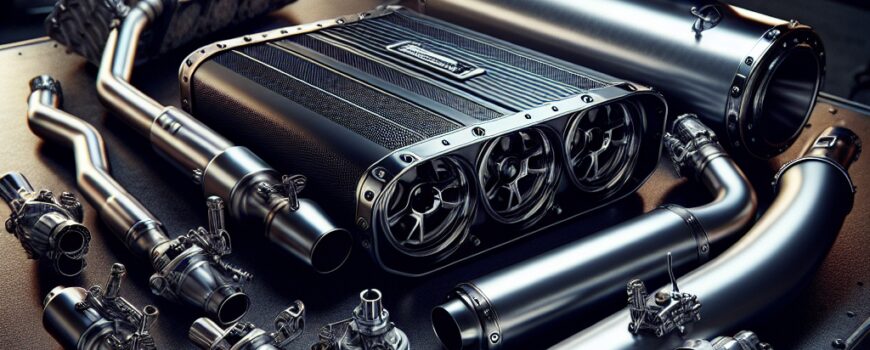
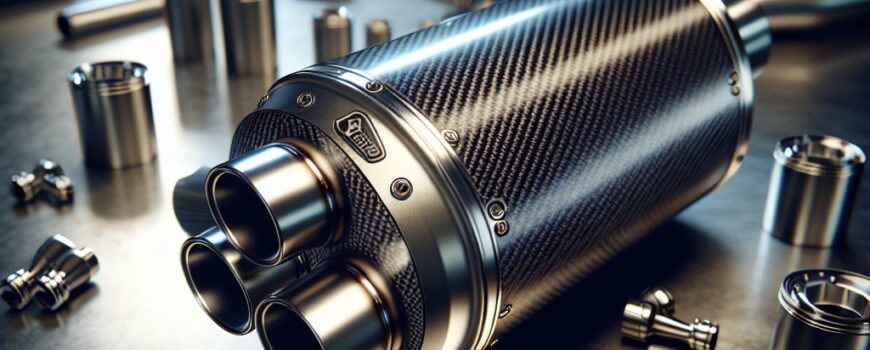
Few upgrades change a car’s character as immediately as an IPE Exhaust, and that first crackle can determine whether a system suits your goals. This analysis looks beyond marketing, examining build quality, acoustic tuning, performance gains, and fitment for IPE Exhaust and its peers. If you want a decisive assessment before spending thousands, read on.
IPE Exhaust: Design Intent and Acoustic Signature
IPE exhausts are engineered for dramatic, boulevard-to-track sound with active valving in many models. Build materials often include stainless steel or titanium, and the focus is on a rich midrange and aggressive pops at lift-off.
From a critical standpoint, IPE prioritizes character over marginal power gains; the systems can be heavier than elite rivals but deliver an unmistakable exhaust note. Consequently, they appeal to owners who value soundtrack more than absolute weight savings or peak horsepower charts.
FI Exhaust: Power, Fitment, and Tuning Considerations
Moving on to FI Exhaust, the brand emphasizes bolt-on performance with clear dyno figures advertised for many applications. FI systems often use mandrel-bent piping and straight-through mufflers to minimize backpressure and extract measurable gains.
However, installation and ECU tuning matter. Without proper calibration, the theoretical horsepower gains from a FI Exhaust may not translate to street behavior, and in some engines, the sound can be thin unless compensated by valving or chambered designs.
Armytrix Exhaust Versus Akrapovic Exhaust: Material, Tone, and Precision
Armytrix Exhaust: Electronic Valves and Aggressive Character
Armytrix exhausts are synonymous with remotely controlled valvetronic systems and a loud, modern tone. They offer modularity—switch between quiet and aggressive modes—but complexity increases points of failure.
Critically, Armytrix aims for immediacy in sound choice. Yet the electronics and servos require careful installation and occasional maintenance, which should factor into ownership cost analyses.
Akrapovic Exhaust: Lightweight Engineering and Refined Note
Conversely, Akrapovic exhausts are engineered around weight reduction, using titanium and carbon fiber to shave kilos while tuning for harmonic balance. The acoustic signature is typically refined, with a full-bodied note rather than theatrics.
From an analytical perspective, Akrapovic prioritizes total package performance and track usability over theatrical pops; this makes it the preferred choice for enthusiasts who want efficiency and longevity combined with a premium sound.
Valvetronic Exhaust and Ryft Exhaust: Value, Customization, and Niche Strengths
Valvetronic systems deliver functional valving with more of a value-oriented approach. They allow meaningful control over tone without the premium materials cost of some competitors.
Ryft exhausts, meanwhile, position themselves around bespoke tones and competitive pricing. They often hit a sweet spot for owners seeking distinct sound profiles without the highest-end material budgets.
Comparative Metrics: Sound, Power, Weight, and Reliability
To compare effectively, prioritize four metrics: acoustic fidelity, measurable power gains, mass savings, and long-term reliability. For instance, Akrapovic often wins on weight and engineering, while Armytrix and IPE emphasize user-controlled soundstage.
Similarly, FI Exhaust can present the best raw power-per-dollar in some applications, but dyno validation and proper ECU mapping are non-negotiable. Therefore, don’t judge solely by spec sheets; real-world testing matters.
Practical Buying Guide: How to Choose Between These Exhausts
First, define priorities: soundtrack, lap-time reduction, street drivability, or a balance. Next, request dyno charts and in-vehicle sound clips from vendors; this provides empirical data rather than slogans.
Also, factor in materials (titanium vs stainless), warranty, and dealer support. Finally, consider legal and emissions compliance in your jurisdiction—valved systems can increase scrutiny in some areas.
Installation and Tuning: Maximizing Returns from Your Exhaust Choice
Proper installation and ECU or engine calibration are crucial. A high-end Akrapovic or IPE Exhaust will underperform without correct mapping, and Armytrix electronics need professional setup to avoid failures.
Consequently, budget for professional labor, dyno tuning, and if possible, a test-fit or sound demo. These steps protect your investment and ensure the exhaust delivers both sound and performance as intended.
Choosing between IPE, FI, Armytrix, Akrapovic, Valvetronic, and Ryft boils down to clear priorities: do you want theatrical sound, measurable power, weight savings, or a pragmatic balance? Use dyno data, verified sound clips, and material specs to make a decision. Then plan installation and tuning as part of the purchase, not an afterthought, so the chosen system performs reliably and satisfies the intended driving experience.