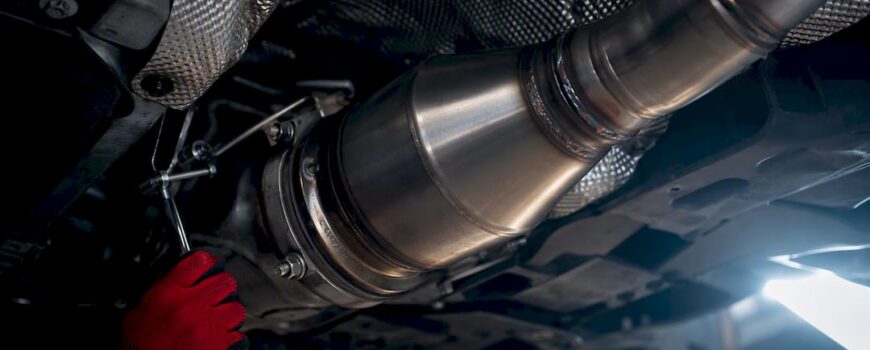
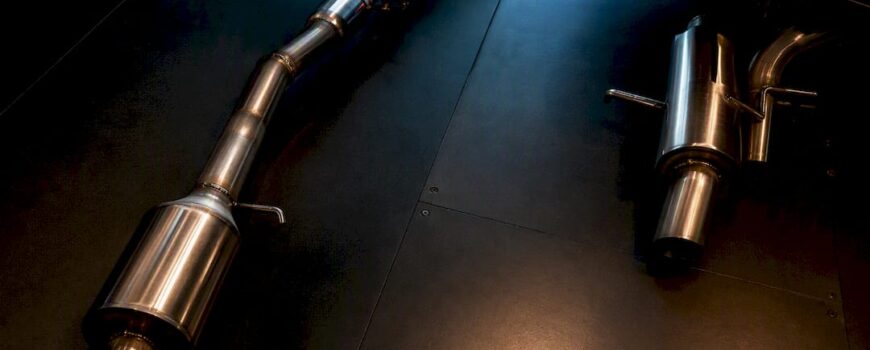
IPE Exhaust systems set a high bar for dramatic tone, but how do they stack against FI Exhaust, Armytrix Exhaust, Akrapovic Exhaust, Valvetronic Exhaust and Ryft Exhaust when measured by build quality, sound control, and real-world performance? This analysis cuts through marketing claims to give direct, actionable comparisons for buyers who value measurable outcomes and auditory character.
IPE Exhaust: Sound Signature and Engineering
IPE Exhaust delivers an intentionally aggressive mid-to-high frequency note that favors presence over subtlety. The architecture often emphasizes resonant chambers and tuned piping to amplify displacement, so expect a pronounced roar under load.
From a materials standpoint, many IPE systems use high-grade stainless steel and carbon tips. That yields durable construction, though weight savings are modest compared with titanium designs.
FI Exhaust: Practical Performance and Tuning Flexibility
FI Exhaust tends to offer a balanced approach: louder than stock but engineered to minimize unwanted drone at cruising speeds. This is achieved through selective baffling and calibrated backpressure, which preserves mid-range torque.
Furthermore, FI systems are often modular, making them easier to tune with aftermarket engine management. As a result, they are a solid option when you want measurable gains without compromising daily drivability.
Armytrix Exhaust: Valve Control and Acoustic Drama
Armytrix Exhaust is synonymous with electronically controlled valves that deliver dramatic on-demand volume. The hardware and control logic are usually robust, enabling a wide dynamic range from whisper-quiet to track-level intensity.
However, the complexity of valve systems introduces more potential failure points. Buyers should weigh the convenience of app or remote control against long-term reliability and maintenance costs.
Akrapovic Exhaust: Materials, Weight, and Sophistication
Akrapovic Exhaust systems stand out for lightweight construction—often using titanium and advanced composites—and a refined tonal profile. Their sound philosophy emphasizes harmonic richness rather than sheer loudness.
Performance gains are typically well-documented on dyno charts, and the brand’s engineering focus reduces drone while extracting power and weight benefits. Expect premium pricing, but also excellent long-term durability.
Valvetronic Exhaust: Modulation and Customization
Valvetronic Exhaust systems prioritize customizable valve mapping and user control. These systems are designed for enthusiasts who want to fine-tune sound envelopes based on driving scenarios.
That said, the effectiveness of Valvetronic systems depends on integration quality with the car’s ECU and fitment tolerances. When implemented correctly, they offer the best of both worlds: civility and performance on demand.
Ryft Exhaust: Value-Oriented Performance
Ryft Exhaust targets budget-conscious buyers seeking a performance uplift with an aggressive sound. The construction is often robust, focusing on stainless assemblies and economically efficient manufacturing methods.
While Ryft systems can deliver notable audible improvements, they may lack the refinement of higher-tier brands in terms of drone control and finish details. Still, they represent a high-value proposition for many street-driven builds.
Comparative Considerations: Sound, Weight, and Reliability
When comparing IPE, FI, Armytrix, Akrapovic, Valvetronic and Ryft Exhausts, prioritize three variables: acoustic intent, material technology, and valve complexity. Each brand targets different trade-offs between presence and refinement.
For example, choose Akrapovic for lightweight performance and harmonic tone, Armytrix or Valvetronic for versatile valve control, and IPE or Ryft if a bold, aggressive sound is the primary goal. FI sits in the middle as a pragmatic compromise.
Tactical Buying Checklist
First, clarify priorities: maximum sound, minimal drone, weight savings, or electronic control. Second, confirm fitment and warranty provisions—valved systems need better support. Third, ask for real-world sound clips and measured dyno data to avoid surprises.
Finally, consider installation and long-term serviceability. Electronic valves and titanium assemblies can incur higher service costs; stainless systems are cheaper to repair but heavier.
Deciding among IPE Exhaust, FI Exhaust, Armytrix Exhaust, Akrapovic Exhaust, Valvetronic Exhaust and Ryft Exhaust ultimately comes down to your tolerance for trade-offs between raw character, engineering sophistication, and cost. Use the buying checklist above to align your goals with the system that delivers the sound and performance you actually need, and request sound samples and dyno proof before committing to an install.