
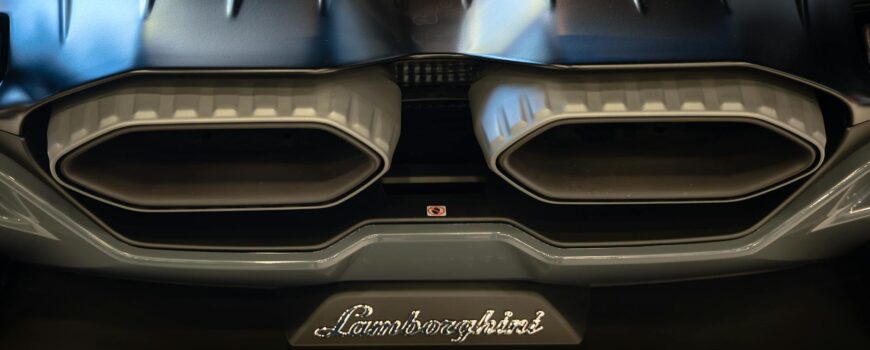
Choosing an IPE Exhaust as the centerpiece of a performance build is a statement about priorities: sound, finish, and exclusivity. This article opens with a direct challenge to marketing claims and evaluates where high-end systems genuinely deliver measurable benefits. Read on for a focused analysis that separates hype from hardware and gives you practical decision points.
IPE Exhaust: Sound Profile, Materials, and Fitment
IPE systems are frequently praised for their cinematic, aggressive tone and tailored valvetronic tuning. In practice, the trademark is a deep, pronounced mid-to-low frequency note that favors auditory drama over subtlety. From a materials perspective, IPE uses stainless and titanium options; the latter reduces weight while commanding a premium price.
However, fitment and real-world usability deserve scrutiny. Drone at cruise speeds is common on certain models, and installation often requires ECU or valvetronic calibration to avoid limp-mode triggers. Therefore, buyers should prioritize dyno-confirmed gains and compatibility with emissions controls.
FI Exhaust and Ryft Exhaust: Budget Alternatives with Trade-offs
FI Exhaust and Ryft Exhaust occupy an interesting segment: value-focused performance systems that mimic high-end aesthetics. They typically deliver respectable flow improvements and a sharper top-end sound. That said, construction quality and finish tend to be inconsistent compared to premium brands.
Moreover, warranty coverage and resale value are weaker for these makers. In short, if your priority is affordable power-per-dollar and aggressive styling, FI or Ryft can be justified. Conversely, if longevity and corrosion resistance matter, budget systems often underdeliver.
Armytrix Exhaust vs Akrapovic Exhaust: Engineering, Valvetronic Control, and Acoustics
Armytrix has built its reputation on electronically controlled valvetronic exhausts that alter sound on demand. The switching hardware is robust, and the systems are engineered for dramatic sonic changes without sacrificing backpressure characteristics. Still, electronic actuation introduces failure points and higher repair costs.
Akrapovic, by contrast, emphasizes precision engineering, lightweight materials like titanium and Inconel, and subtle harmonic tuning. Their systems often provide better flow-to-noise ratios and measurable weight savings. For track-focused builds where thermal resistance and durability matter, Akrapovic frequently wins on engineering metrics.
Comparative Note on Valvetronic Exhaust Functionality
Valvetronic Exhaust systems from Armytrix or aftermarket adapters add versatility, letting drivers toggle between comfort and aggressive maps. Yet, adding valves can compromise tone purity in some designs and adds complexity to emissions compliance. Therefore, evaluate the control logic, actuator quality, and integration with factory ECUs before committing.
Valvetronic Exhaust: Technology, Emissions, and Tuning Considerations
Valvetronic systems are not interchangeable: the engineering behind valve timing, actuator response, and bypass routing defines real-world utility. Good systems modulate backpressure without creating harmful exhaust pulsations that reduce torque at low RPM. Poor implementations create inconsistent scavenging and flat torque curves.
Furthermore, emissions and legality are practical constraints. Active valve systems that defeat mufflers under certain conditions can run afoul of local noise ordinances and inspections. Because of this, always verify CARB or equivalent certifications when relevant.
Performance Metrics: Sound, Weight, Flow, and Real Gains
Objective testing separates marketing from reality. Measure inlet/outlet diameters, overall mass, and backpressure curves on a dyno to assess gains. Akrapovic often leads on weight and thermal performance; IPE and Armytrix lead on dramatic sound; FI and Ryft are cost-effective for modest improvements.
Also, consider the effect on torque across the rev range. Peak horsepower numbers mean little if you lose mid-range torque due to poor muffler design. Transitional assessments, such as in-gear pulls and on-road tests, provide a clearer picture than peak dyno charts alone.
Choosing the Right System: Practical Checklist for Buyers
First, define priorities: sound versus durability versus weight savings. Next, audit installation complexity—welded systems and electronic valves require professional fitment and calibration. Then, validate claims by requesting dyno sheets, sound clips, and references from vehicles matching your make and model.
Finally, factor in warranty, materials, and resale. If you plan to upgrade frequently, a budget FI or Ryft system reduces immediate cost. If you want longevity and engineering excellence, Akrapovic or a well-supported Armytrix/IPE system is a defensible investment.
To act on this analysis, listen to representative sound samples, review dyno data specific to your vehicle, and check compatibility with emissions and ECU hardware. These steps will help you choose an exhaust system that aligns with measurable performance goals and realistic maintenance expectations, leaving you with a build that sounds intentional and performs reliably on the road.